
What Is to Come
original title: שעתיד לבוא
2026, 82 min., color, Hebrew-English
CATEGORY : Drama
COUNTRIES: Israel, Great Britain
PRODUCTION : BUDGET : 1 200 000 euro
CAST
Ronit Yudkevitch, Yaakov Zada Daniel, Tovit Adis Semay
CREW
Director : Screenplay : Ruthy PribarCinematographer : Daniella Nowitz
Producers : Yoav Roeh, Dana Høegh, Aurit Zamir

COMMENTS
FESTIVALS: Jerusalem IFF (National Premiere), Tribeca FF 2026 (World Premiere / International Competition)
DIRECTOR’S NOTE: A few years ago, I met a woman who would become Yehudit. We connected instantly—she radiated a contagious optimism that seemed at odds with what came next. After knowing me only briefly, she asked if I could drive her to her husband’s grave. She had no car, and the cemetery was far from any bus line. I couldn’t refuse.
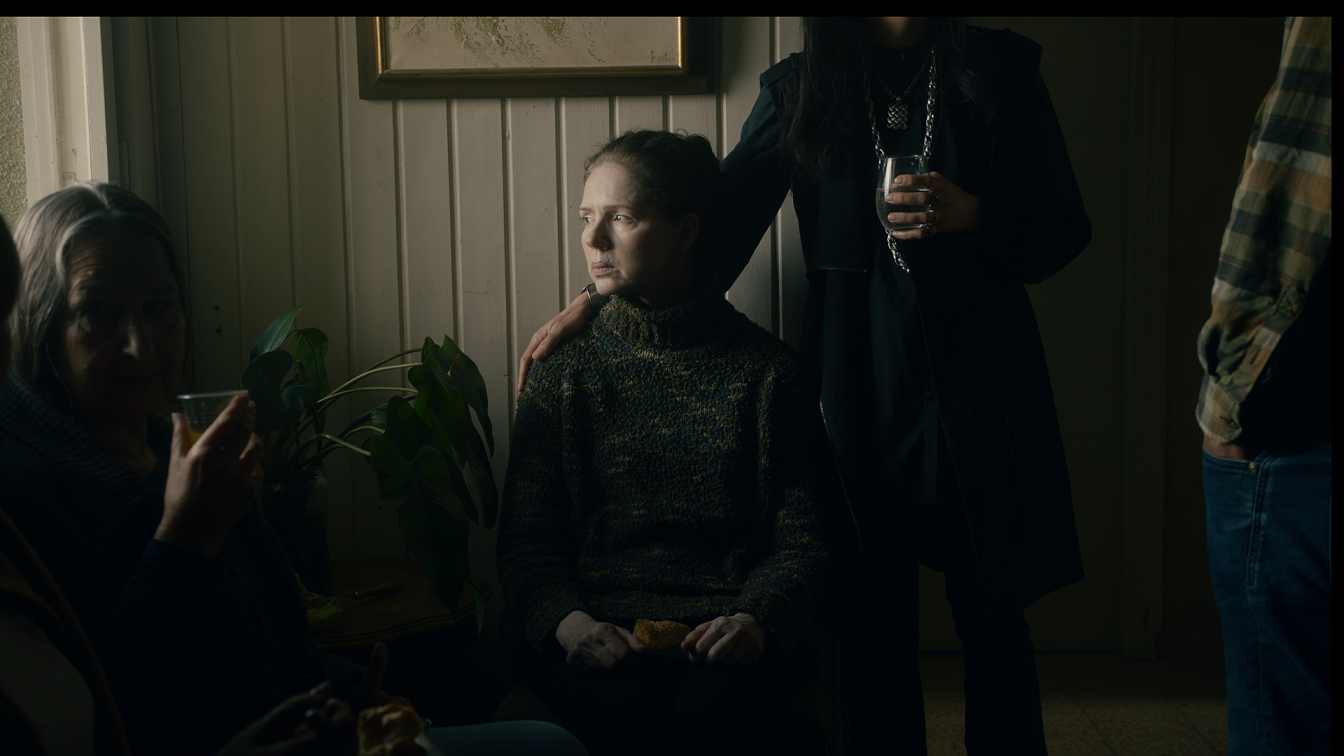
In the brutal August heat, we stood side by side at his headstone. She told me she was supposed to be buried there beside him—that they had planned to die together. But at the last moment, she chose to live. The way she spoke about him, about that choice, about continuing—I knew immediately I had to tell this story.
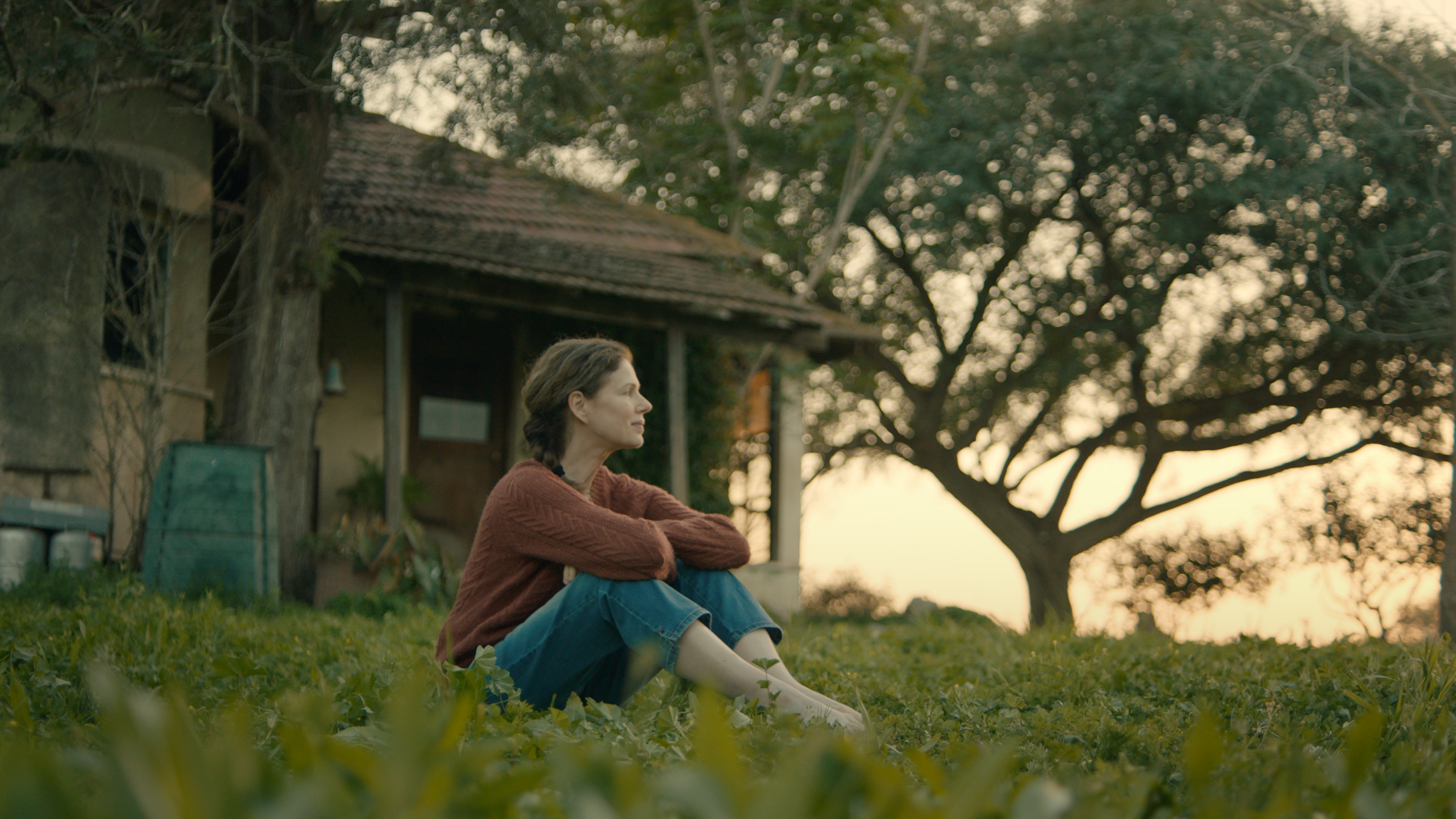
“What is to Come” follows a woman who pulled back from the edge while her husband didn’t. Yehudit’s survival leaves her alone with paralyzing shame and a realization she can no longer avoid: for forty years, she wasn’t truly present in her own life. Michael led; she followed. Now, for the first time in her adult life, every decision is hers alone.
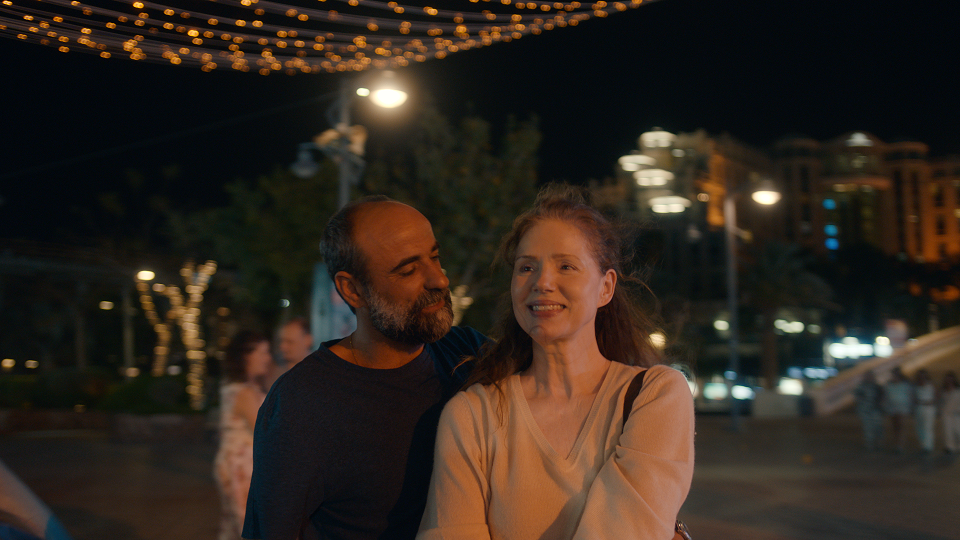
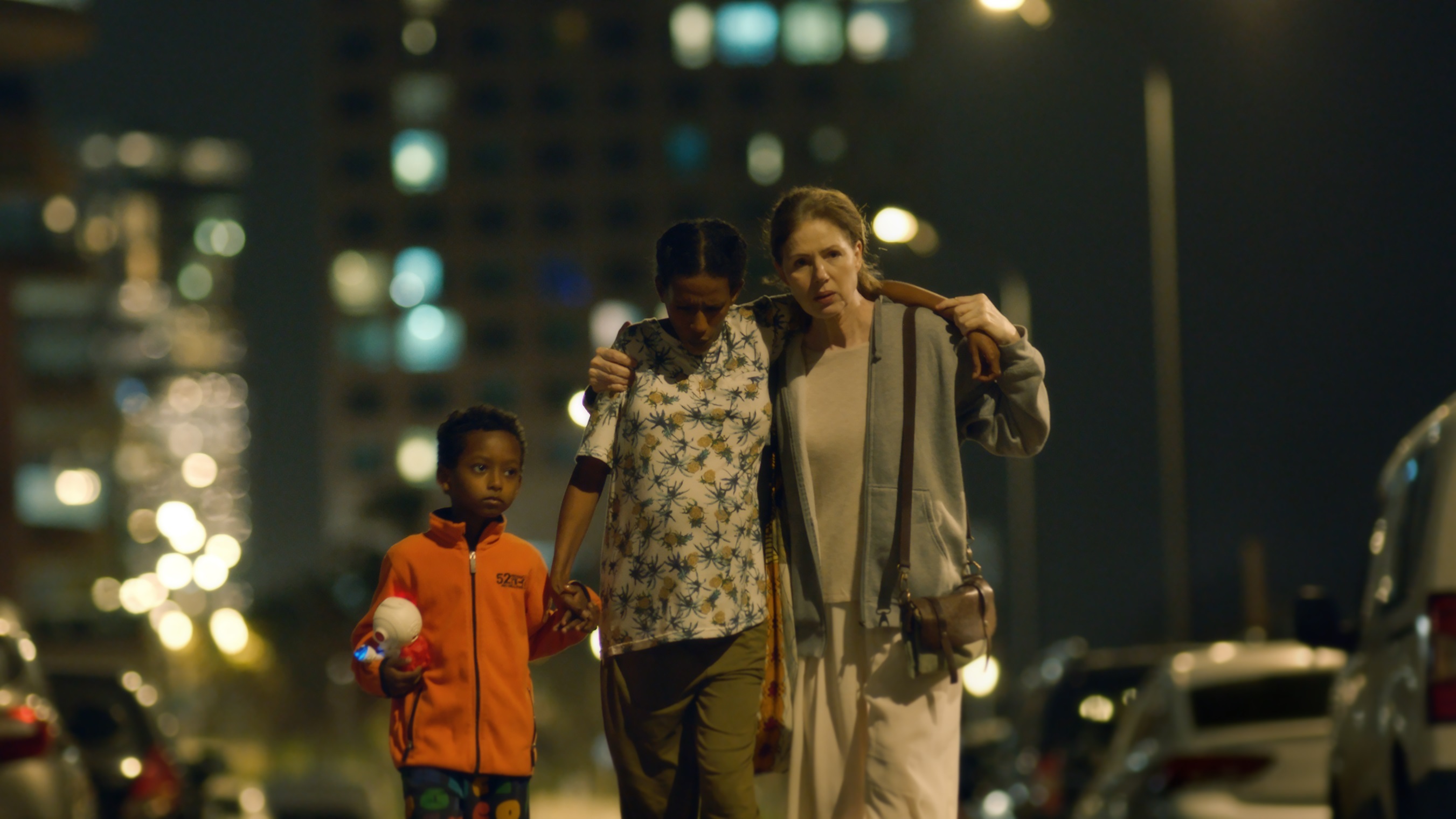
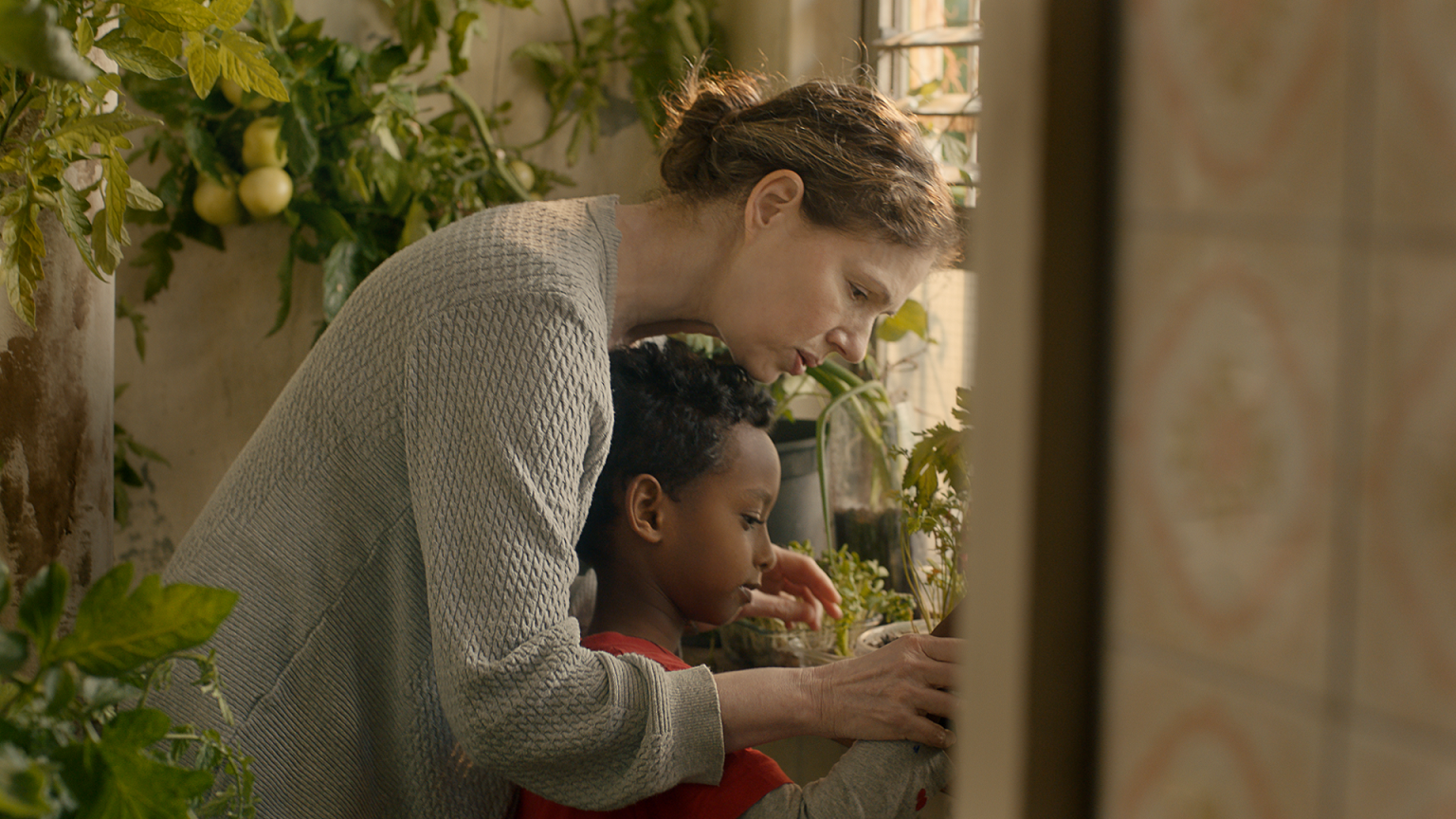
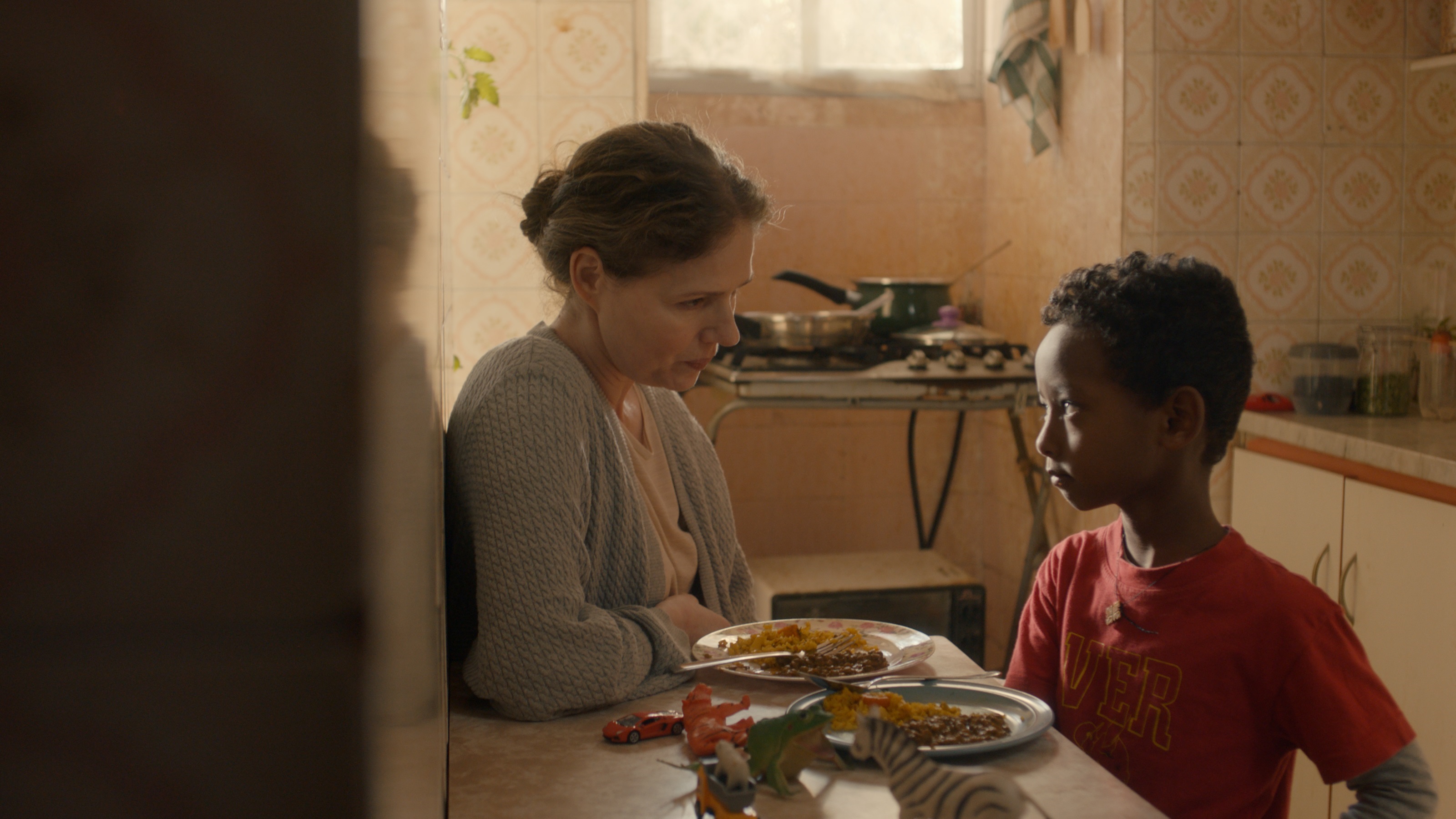
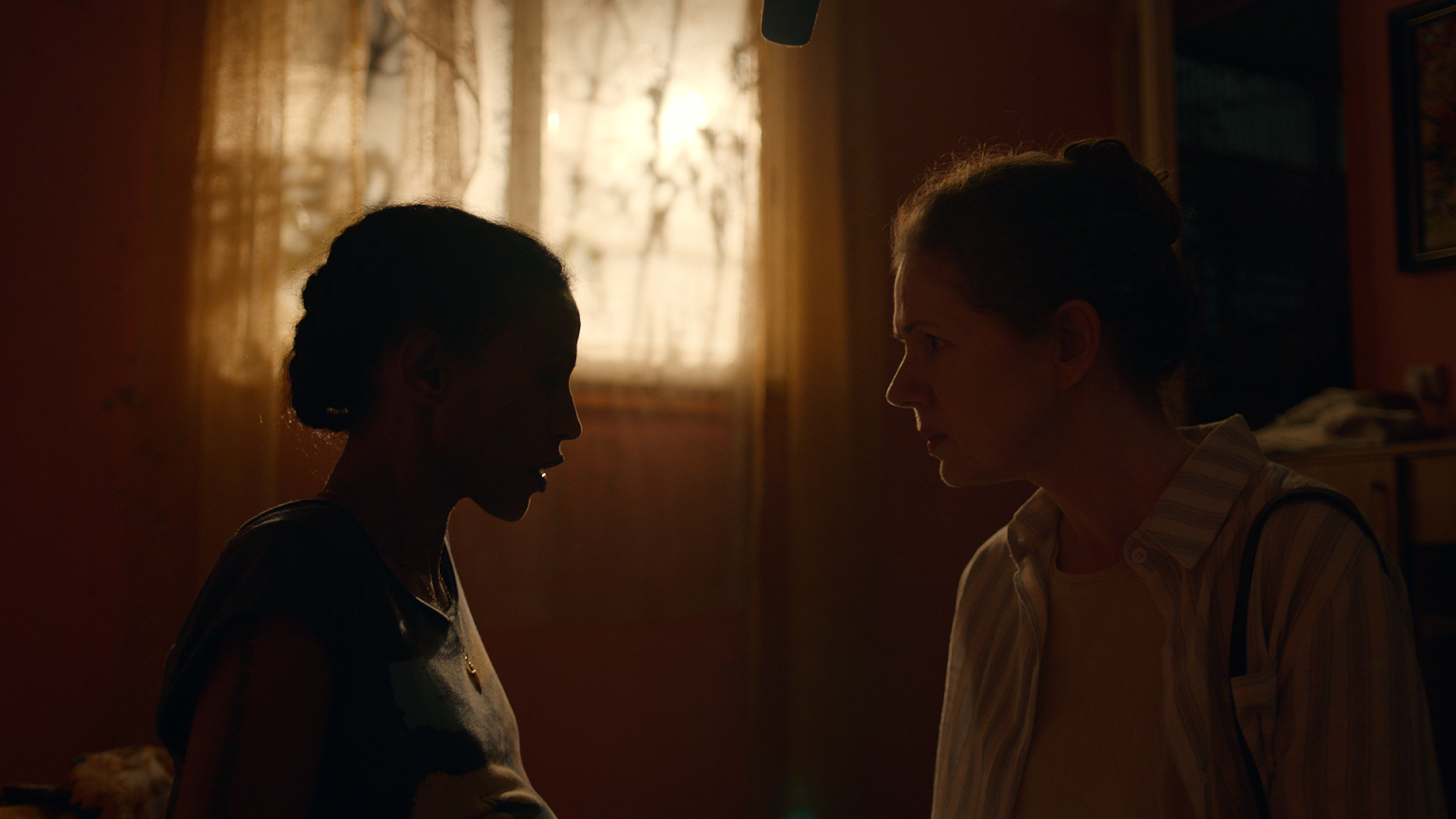
The film traces Yehudit’s flight from the green silence of her moshav to Eilat—a city that promises beauty and escape but reveals its dirty backyard to those without money. She trades the chirping of fields for the noise of African refugees in her building, people as displaced and invisible as she now is.
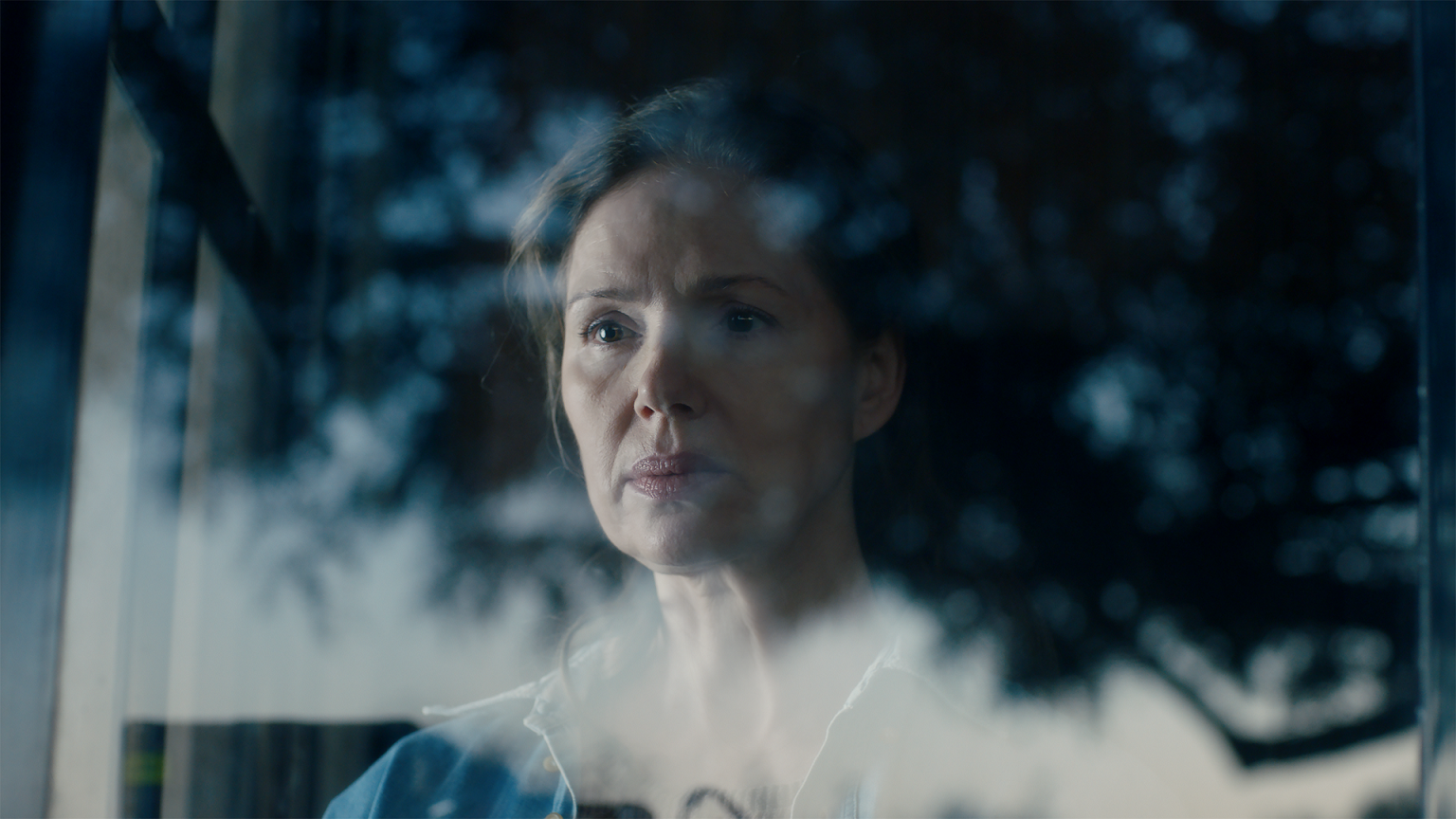
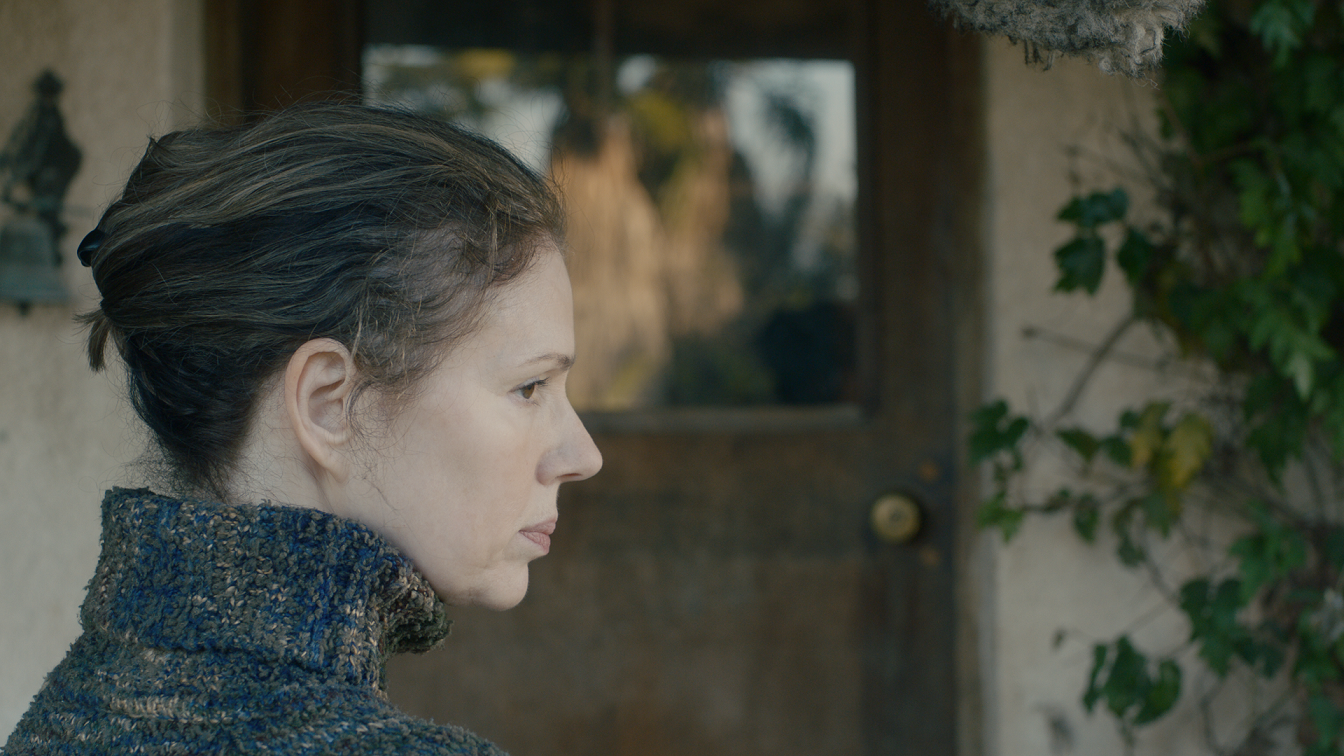
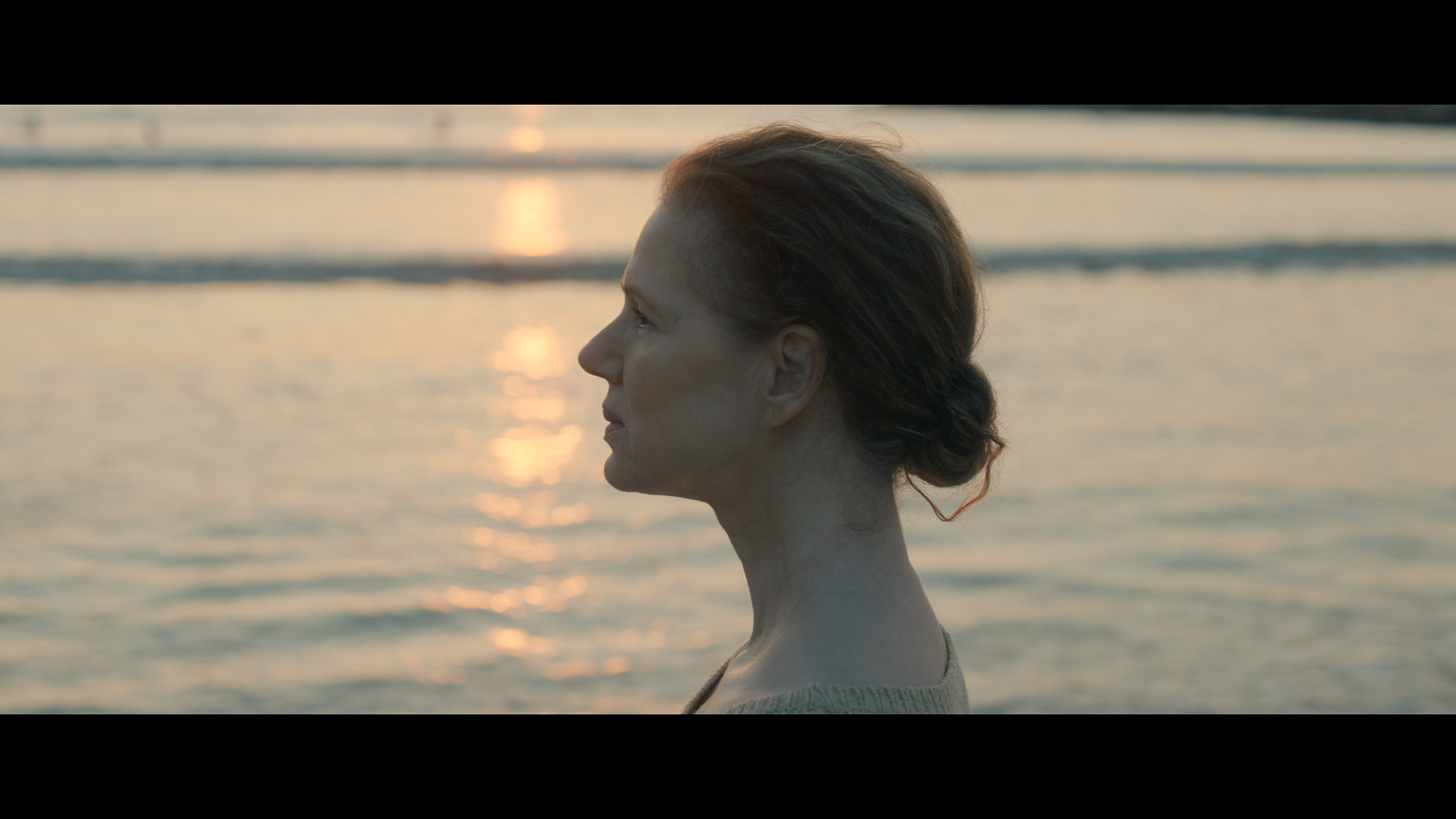
Visually, the film inhabits Yehudit’s shifting perception. The camera stays close to her body and face, seeing the world as she does—sometimes beautiful, sometimes ugly, always filtered through her awakening consciousness.
Yehudit’s arc moves from dependence to independence, from silent agreement to conscious choice, from avoidance to confrontation. In one small, powerful moment, she whistles for the first time in her life. The sound surprises her, moves her to tears. It’s a revelation: even at sixty, even after everything, she can still learn. She can still grow. She can still blossom.

SYNOPSIS
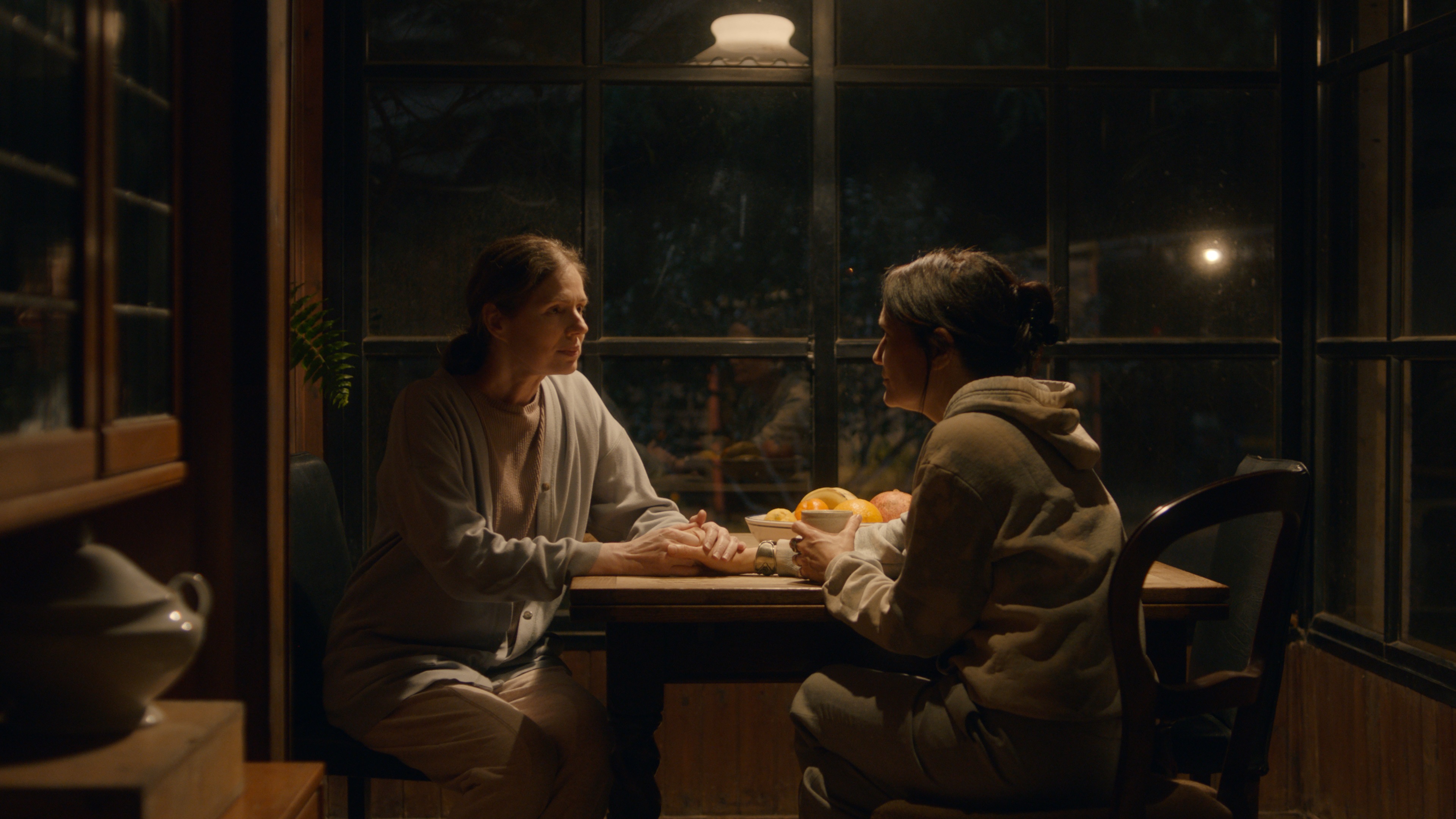
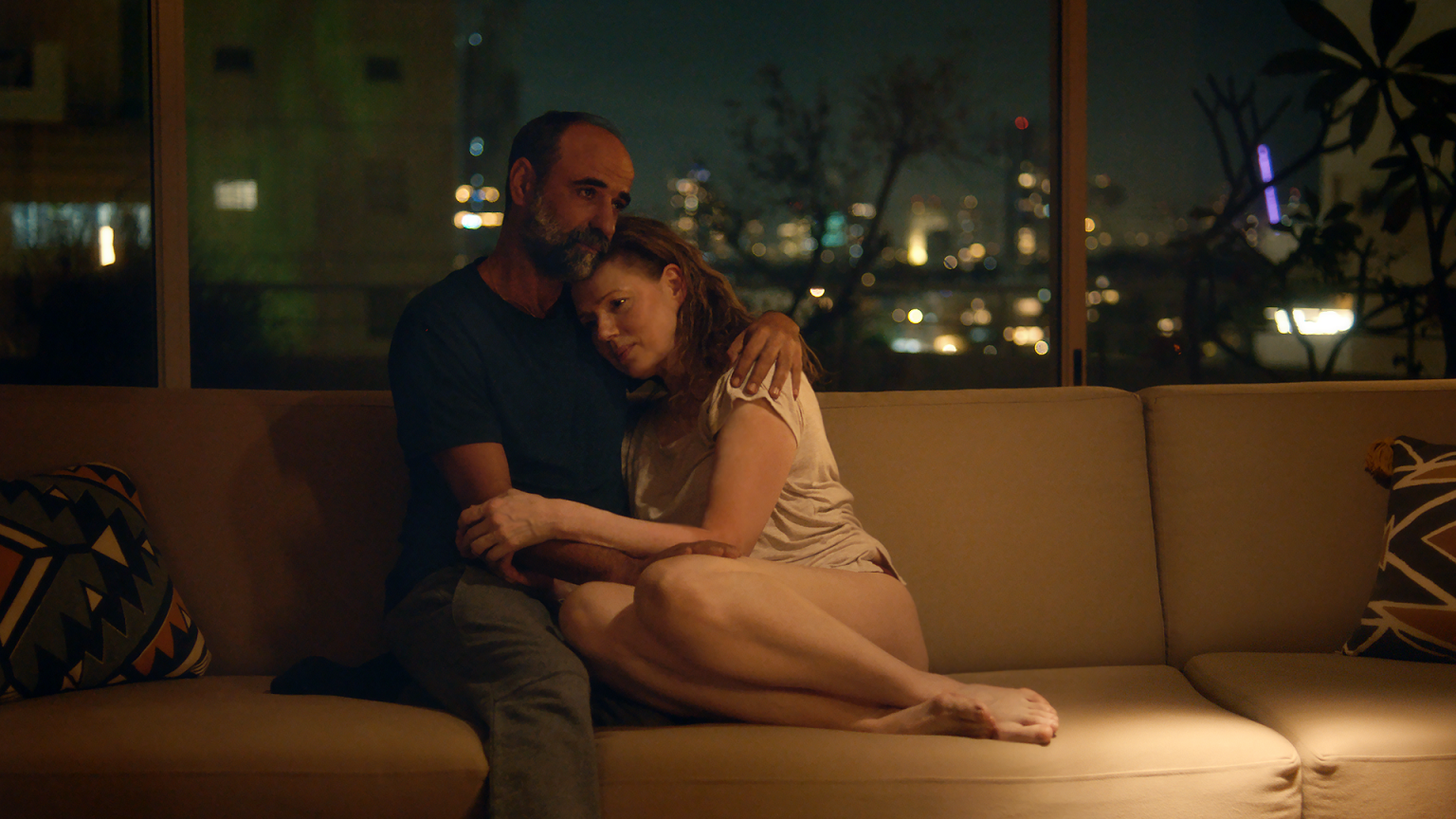
Yehudit and Michael, a 60-year-old farmer couple who find themselves in a deep financial crisis and decide to end their lives. At the last minute, Yehudit regrets it, but for Michael it’s too late. For the first time in forty years, Yehudit is left alone. Now she has to deal with fears, guilt that never let go, and debts that only grow larger. When creditors knock on her door and demand their money, Yehudit flees to Eilat, hoping to start a new life there. In the foreign city, Eli, a hotel manager, recognizes her distress and agrees to hire her as a chambermaid. Gradually, Yehudit begins to build a new life for herself.
PRESS
“It is a sensitive drama, unmistakably bitter in character, yet incredibly human in all of its carefully built relationships – another triumph for the filmmaker, whose second feature film proves even more powerful.” – Henrique Debski, CINEOLHAR
“What Is to Come is quiet filmmaking — no melodrama, no easy answers, just a woman finding her footing one small choice at a time. Pribar and Yudkevitch make that worth every minute.” – Alan Ng, FILM THREAT
פסטיבל הקולנוע ירושלים “שעתיד לבוא” עוסק בעומק וברגישות בגיבורה שבוחרת להמציא את עצמה מחדש
רותי פרי־בר בוראת בדייקנות עולם אינטימי וחם בסרט “שעתיד לבוא”. רונית יודקביץ’ מפציעה בהופעת קאמבק מזהירה
“Ruthy Pribar precisely creates an intimate and warm world… deals deeply and sensitively with a protagonist who chooses to reinvent herself.” – Oron Shamir, HAARETZ
“Our film was created during a time of much pain and uncertainty, and presents the possibility of a new beginning and hope. I am delighted and proud to be able to present the film to an audience, and believe that its humanity will find its way into the hearts of viewers.” – Ruthy Pribar, 13TV
“Ronit Yudkevitch is extraordinary as our leading lady. The range of emotions, the physical performance, all nuanced with elegance and female strength. It is a masterclass.
This is a story of self-discovery, a late-in-life coming of age. Pribar creates an authentic portrait of a woman fumbling towards a new beginning. What Is To Come is a quietly revelatory story.” – Liz Whittmore, REEL NEWS DAILY
“A very heavy and well-done drama, WHAT IS TO COME is the perfect film for anyone who doesn’t want fluffy Hollywood fodder.
It is an intense drama about a woman and the people around her during a time of crisis.
A magnificent achievement. One of the best films at Tribeca.“ – Steve Kopian, UNSEEN FILMS
“Ruthy Pribar’s modest drama finds beauty in the slow, fragile process of starting over.
The film’s strength lies in its refusal to force drama where it does not belong.
Film… focuses on small acts of humanity and on people trying to move forward despite the disappointments and emotional baggage they carry.” – Or Paz, FILM CASTLE