
MATRÖSHKI
original title: MATRÖSHKI
2026, postproduction, 105 min., color, German-Russian
COUNTRY: Germany
PRODUCTION : BUDGET : 650 000 euro
CAST
Janina Lissovskaia, Varvara Shmykova, Adina Maaß, Eva Maria Oganyesyan, Sascha Geršak, Rafael Luis Klein-Hessling, Ilya Khodyrev
CREW
Director : Screenplay : Alina Yklymova & Lion DurstCinematographer : Sina Diehl
Producers : Priska Kraft, Sophia Moussavi Stier, Tim Peters, Simon Grohe, Martin Lehwald

COMMENTS
FESTIVALS: Tribeca FF (WIP)
DIRECTOR’S NOTE:
MATRÖSHKI begins with a crack.
My identity splits across multiple homelands and suddenly “home” is no longer a feeling, but a loyalty test. Shortly after February 24, 2022, my grandfather says to me: “Never betray your homeland.” I hear it like an order and ask myself: Which homeland?
That question becomes the engine of the film and it is not private. It is what is happening in countless families today: people love each other while the world forces them to take sides against one another.
And me? I am ok with betraying countries, but not me.
I tell this story as a tragicomedy, because in times like these humor is not decoration it is a survival mechanism. In MATRÖSHKI, comedy emerges where contradictions can no longer be resolved: in kitchens, at wedding tables, in waiting rooms, at service counters. These are the places that interest me most, because politics is at its most brutal there, not as a debate, but as a physical state: shame, defiance, freezing up, overwhelm.
The film does not show “the big world event,” but its smallest and hardest unit: the family.
One principle matters to me above all: no one is demonized.
wlada is not “the propaganda mother,” Sasha is not “the heroine,” Nastya is not “the victim,” Daria is not “the cute child.” Each character has reasons, wounds and strategies.
I want the audience to catch themselves feeling understanding even for people whose views they reject. Because that is the demand of the present: love is not clean. Loyalty is not unambiguous. And sometimes survival does not fit with truth.
Formally, I work through precise everyday observation and a tone that is allowed to tilt: warm and intimate, funny and suddenly bitter. The comedy comes from rhythm, friction, language, glances, not punchlines. And the bureaucracy is not a backdrop to me, but dramaturgy: forms, deadlines, evidence, a language that turns people into “cases.” For me, that is the contemporary version of the question “Which homeland?”: On which piece of paper am I allowed to exist?
MATRÖSHKI is a film about the price of belonging and about women who, within that price system, do not merely function, but fight, manipulate, love, fail and get back up again.
I want the audience to laugh because they recognize themselves and then to feel how the air tightens when politics enters the most intimate relationships. In the end, this is not about a verdict. It is about a sensation: the claustrophobic tragicomedy of survival and the weight of betrayal, when you love anyway.


SYNOPSIS
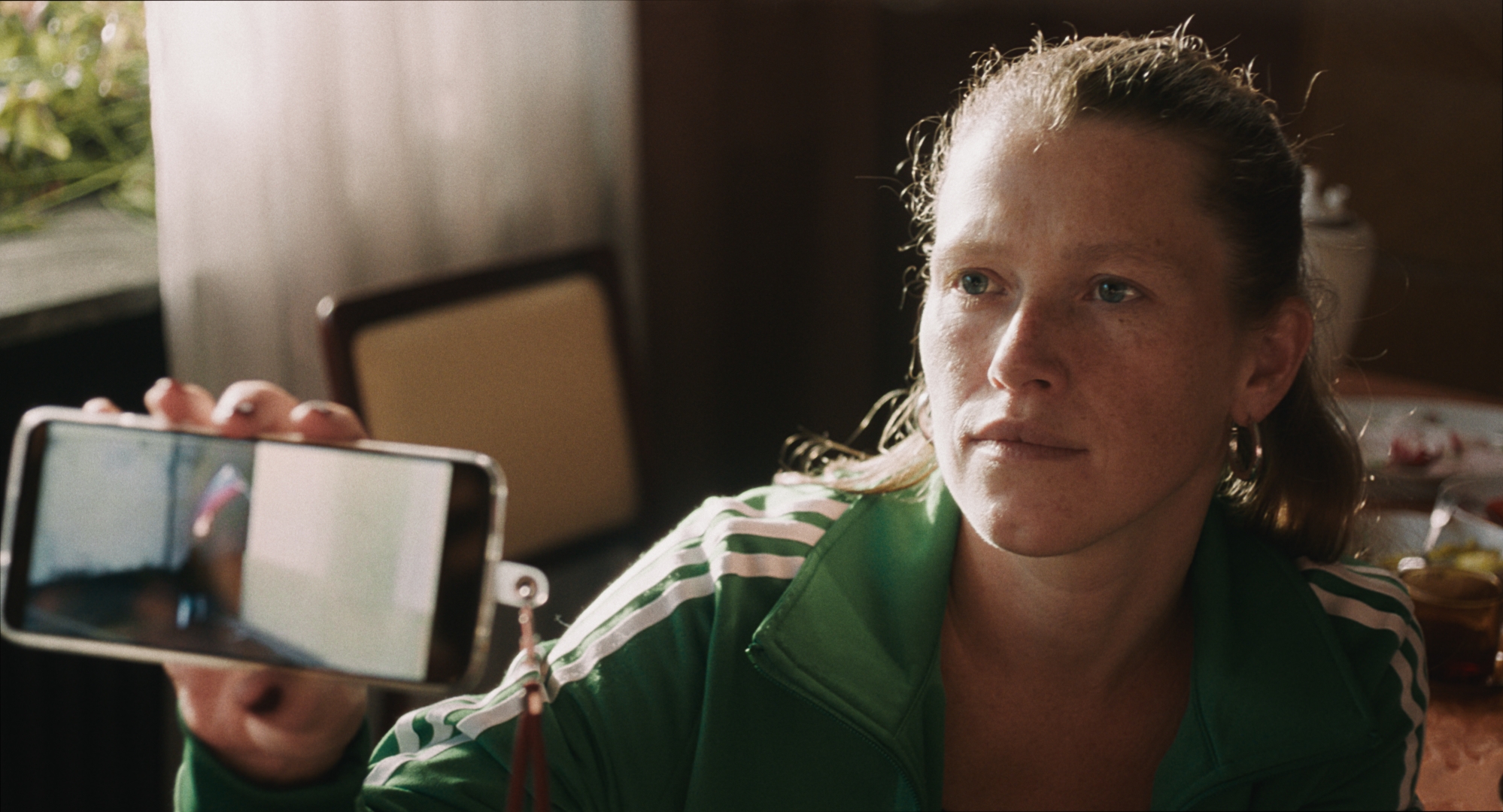
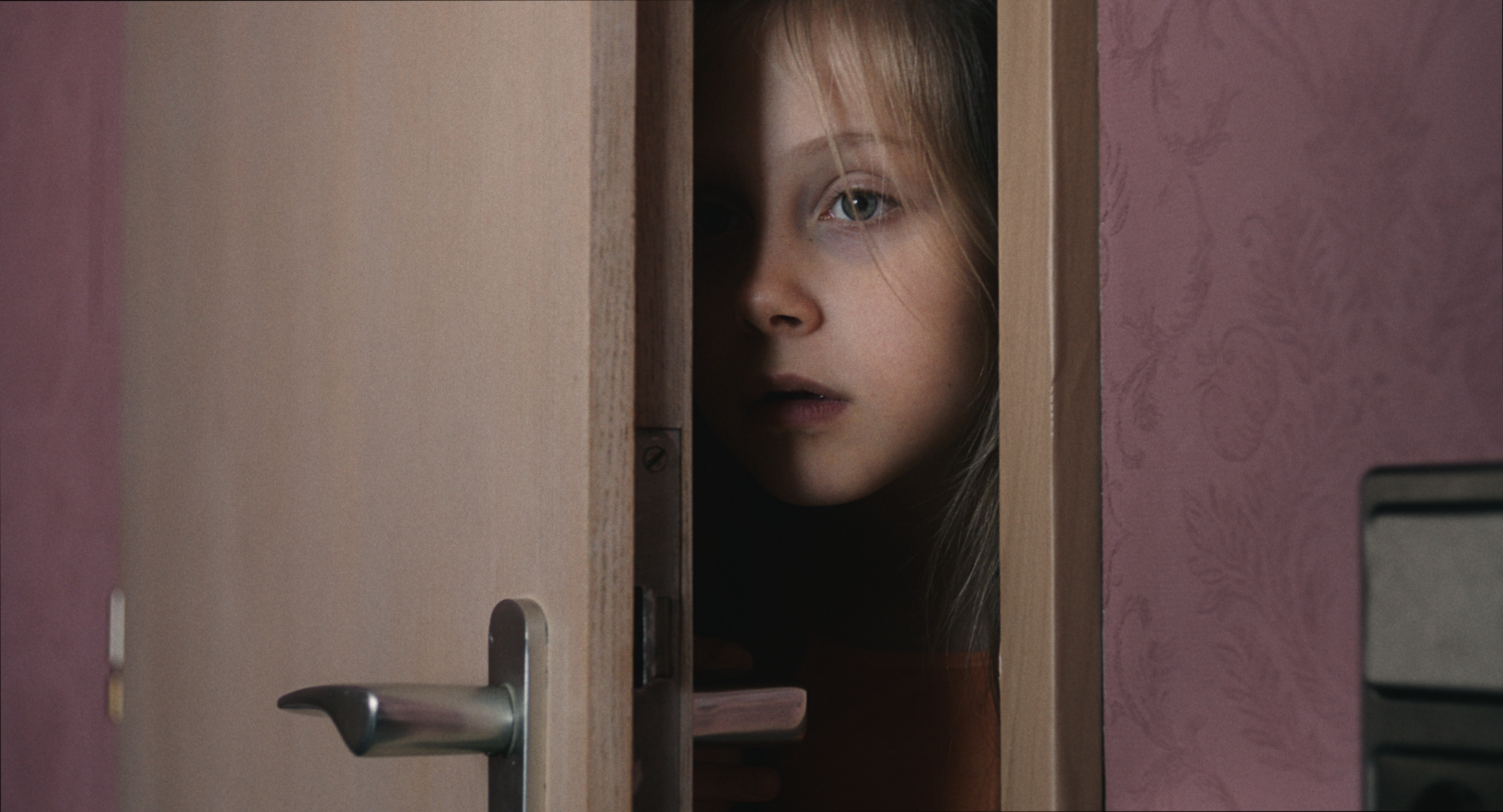
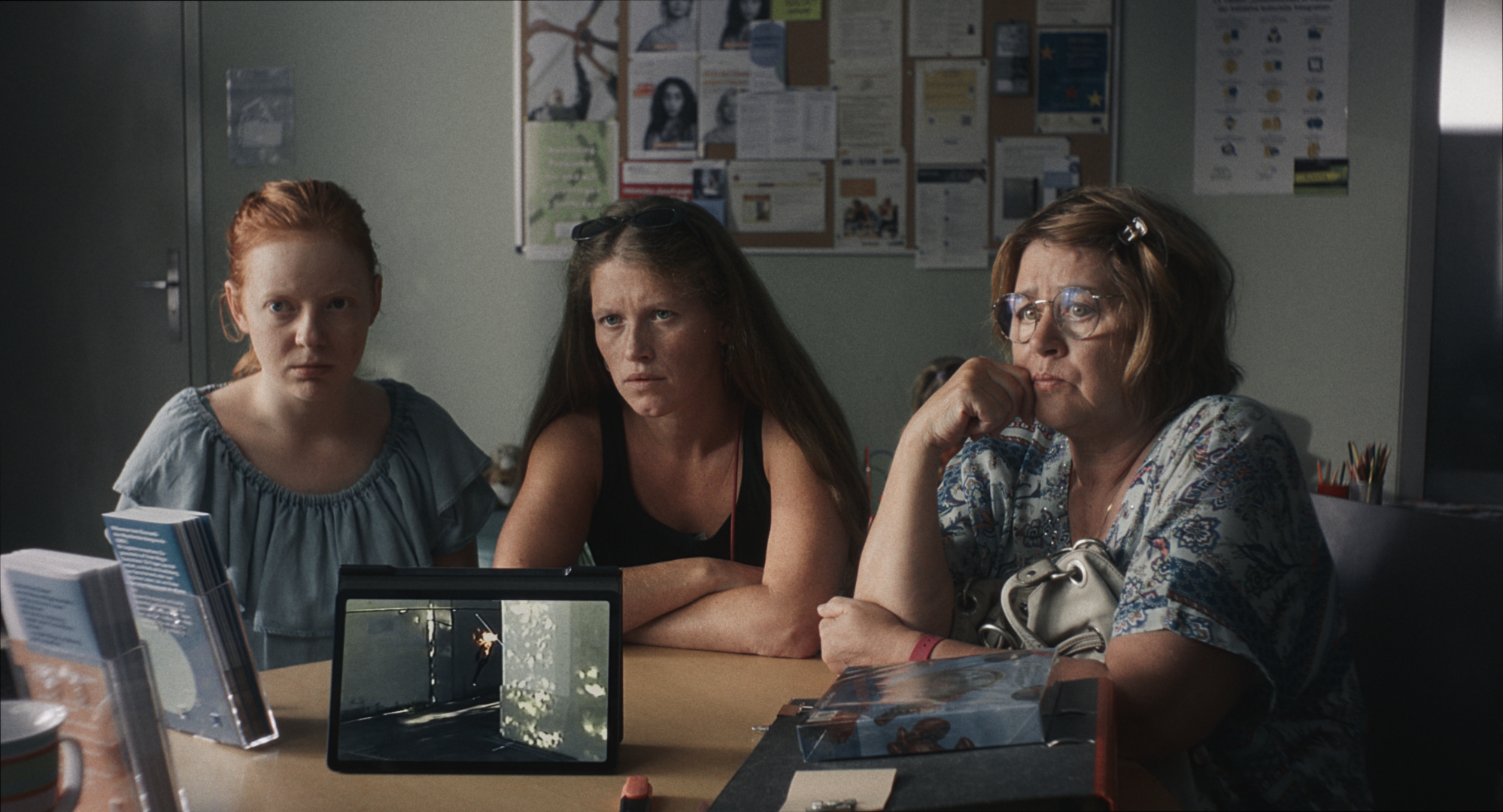
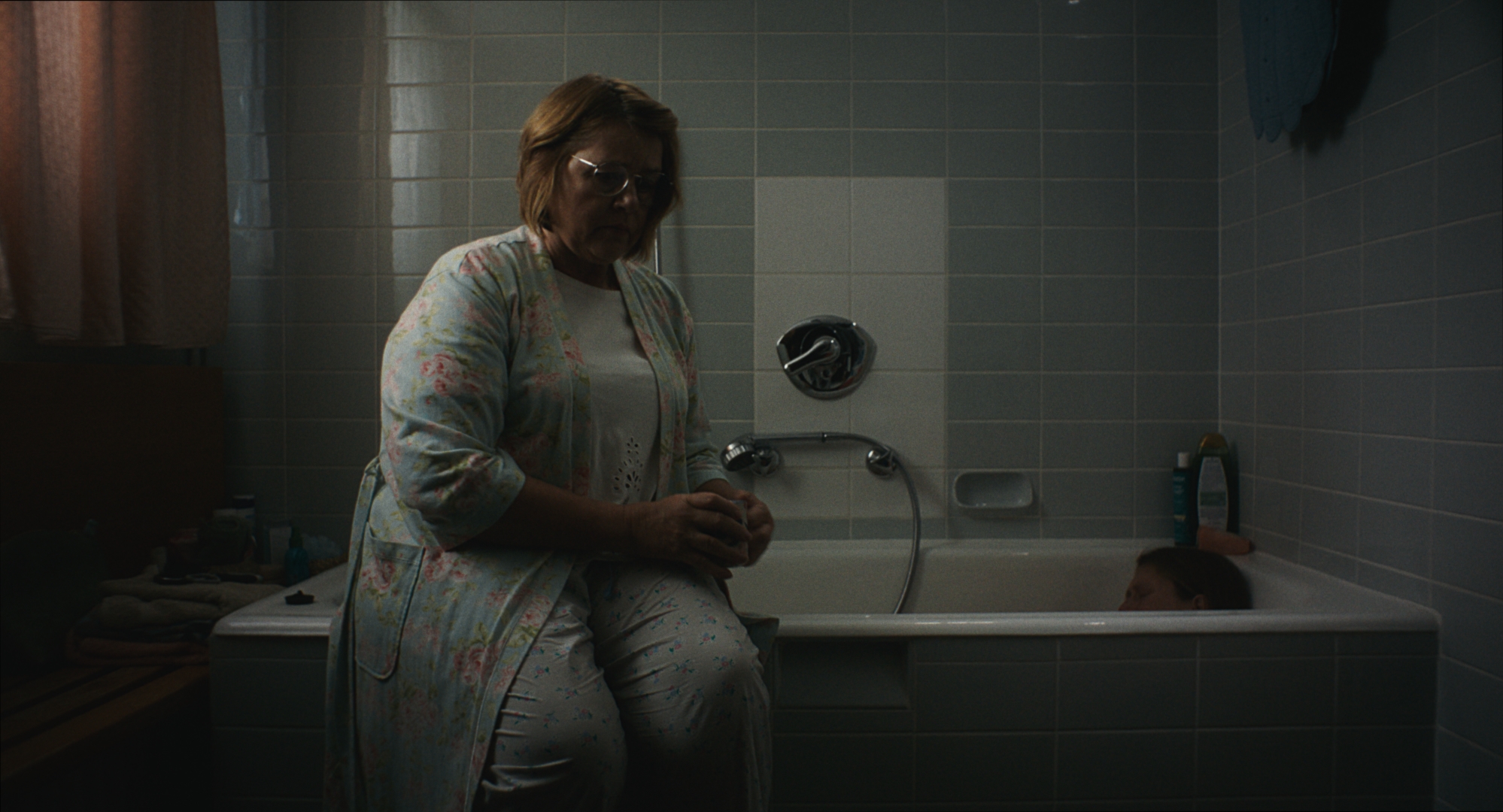
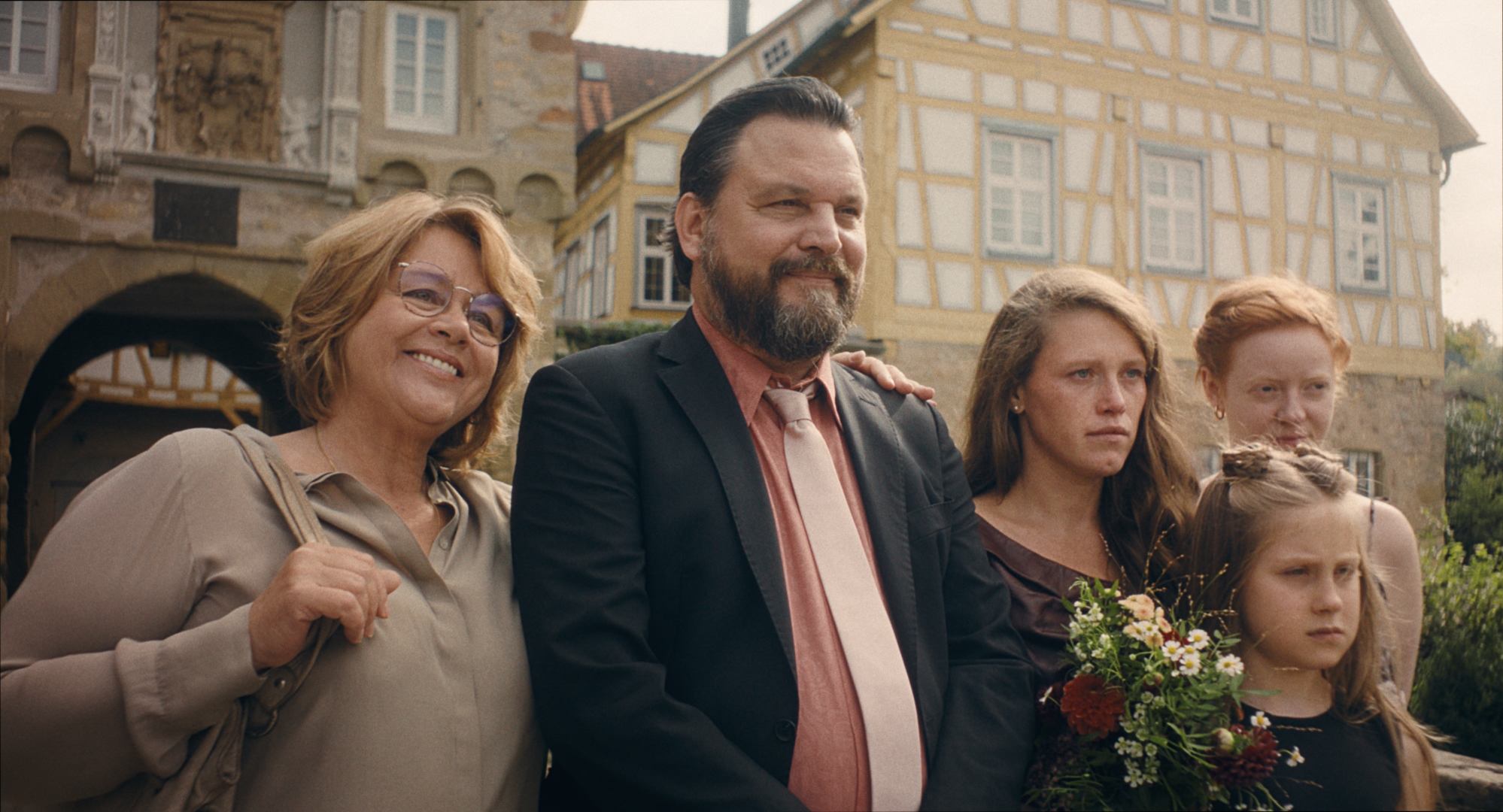
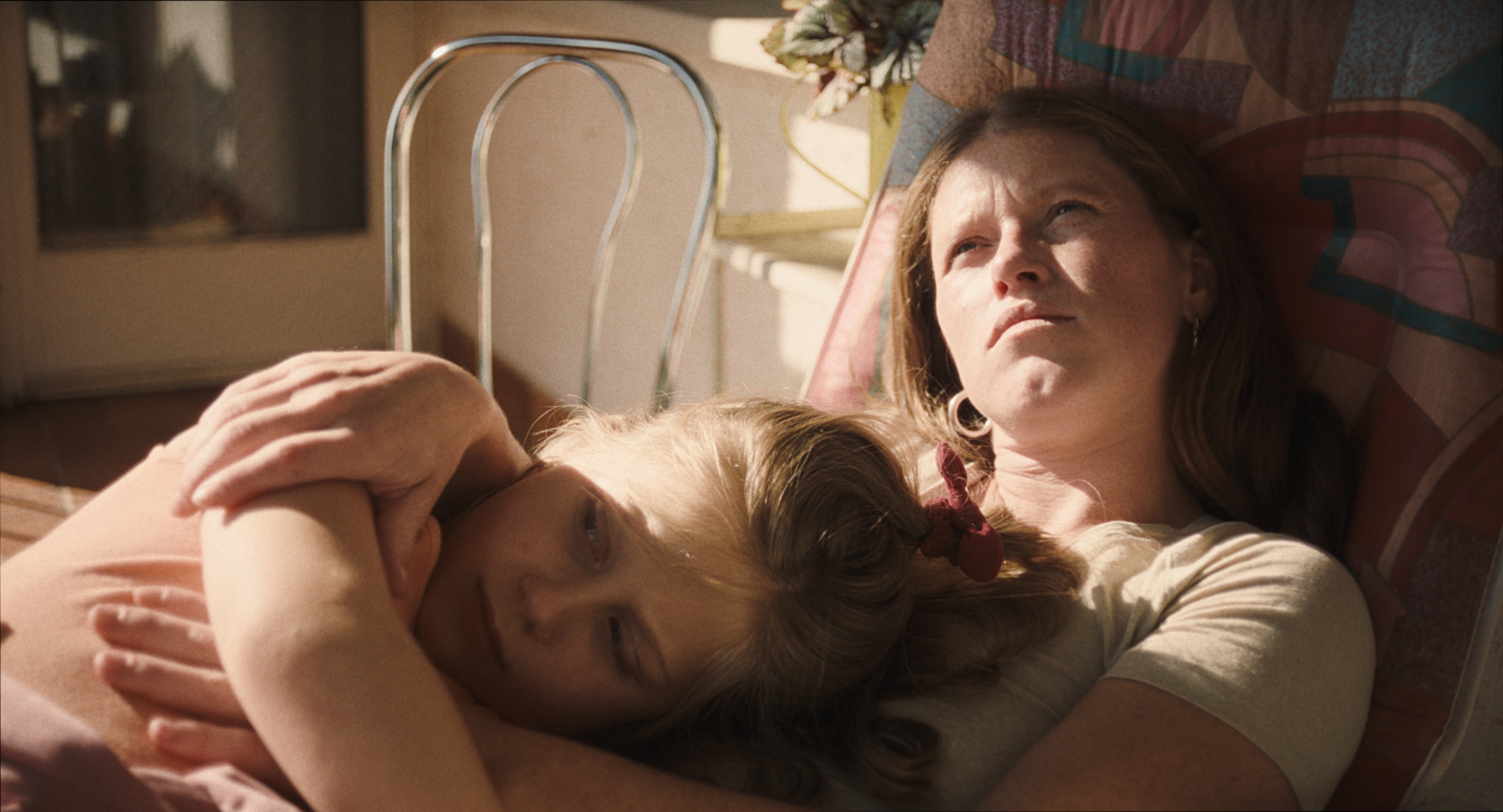
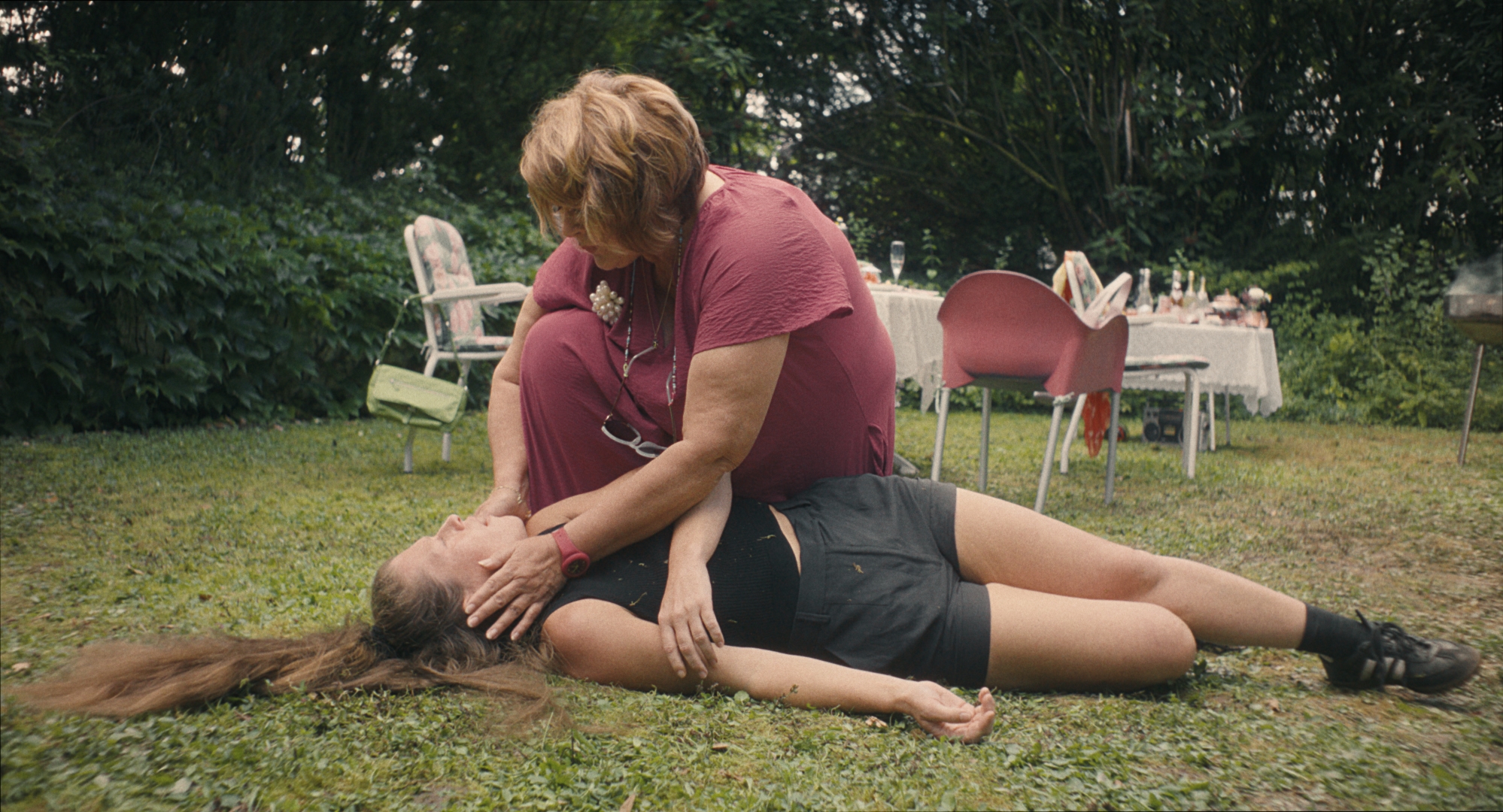
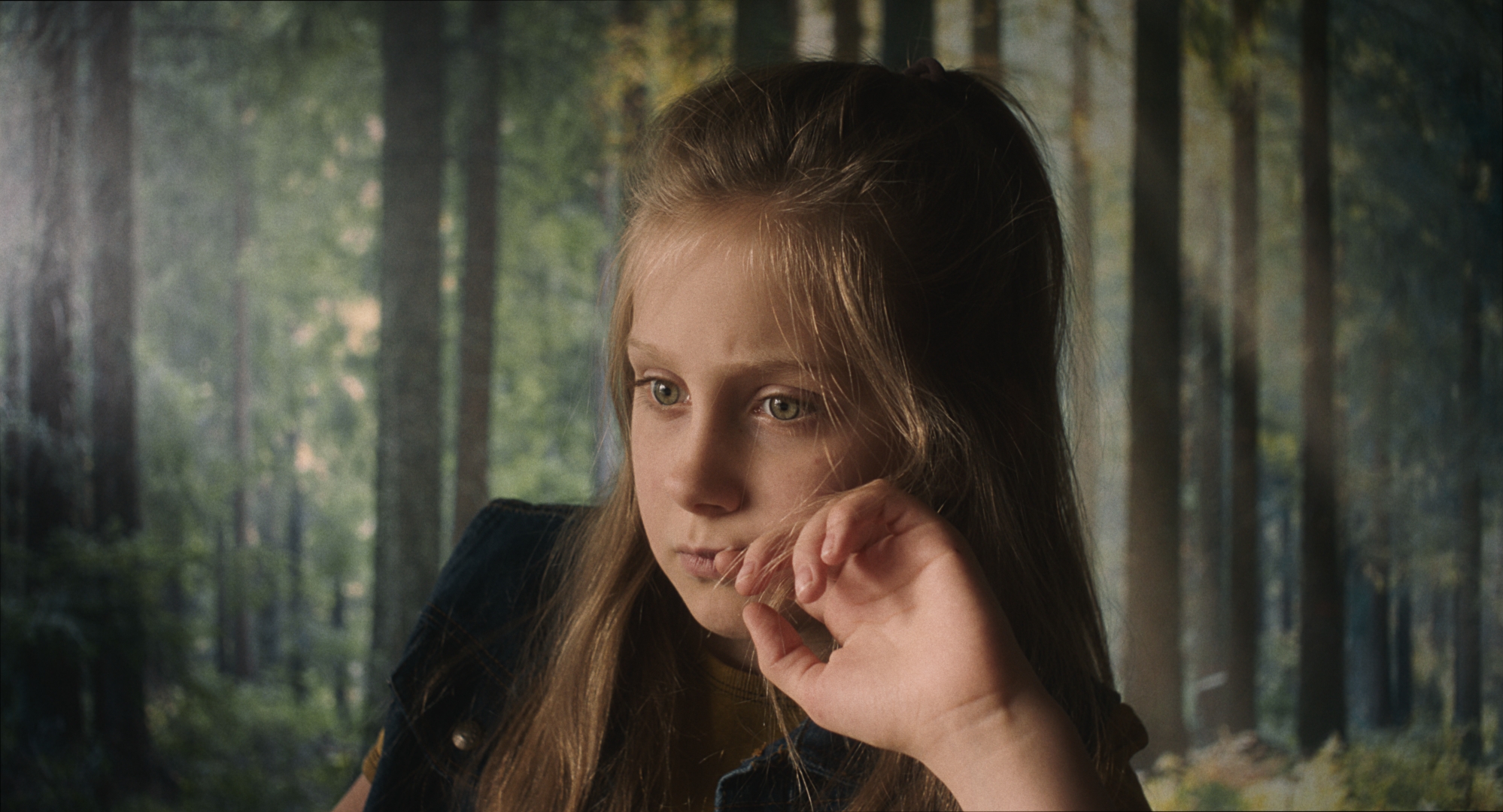
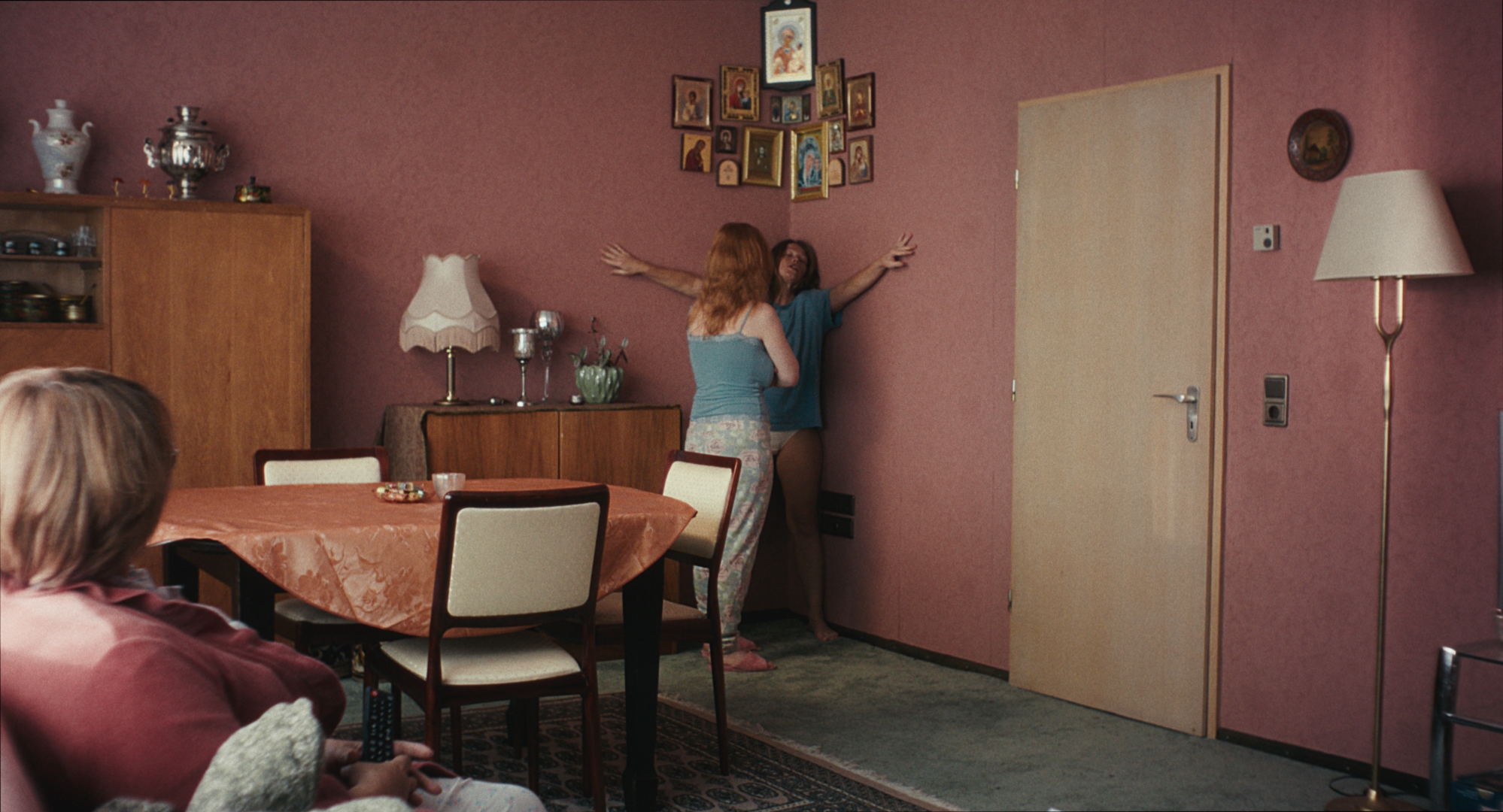
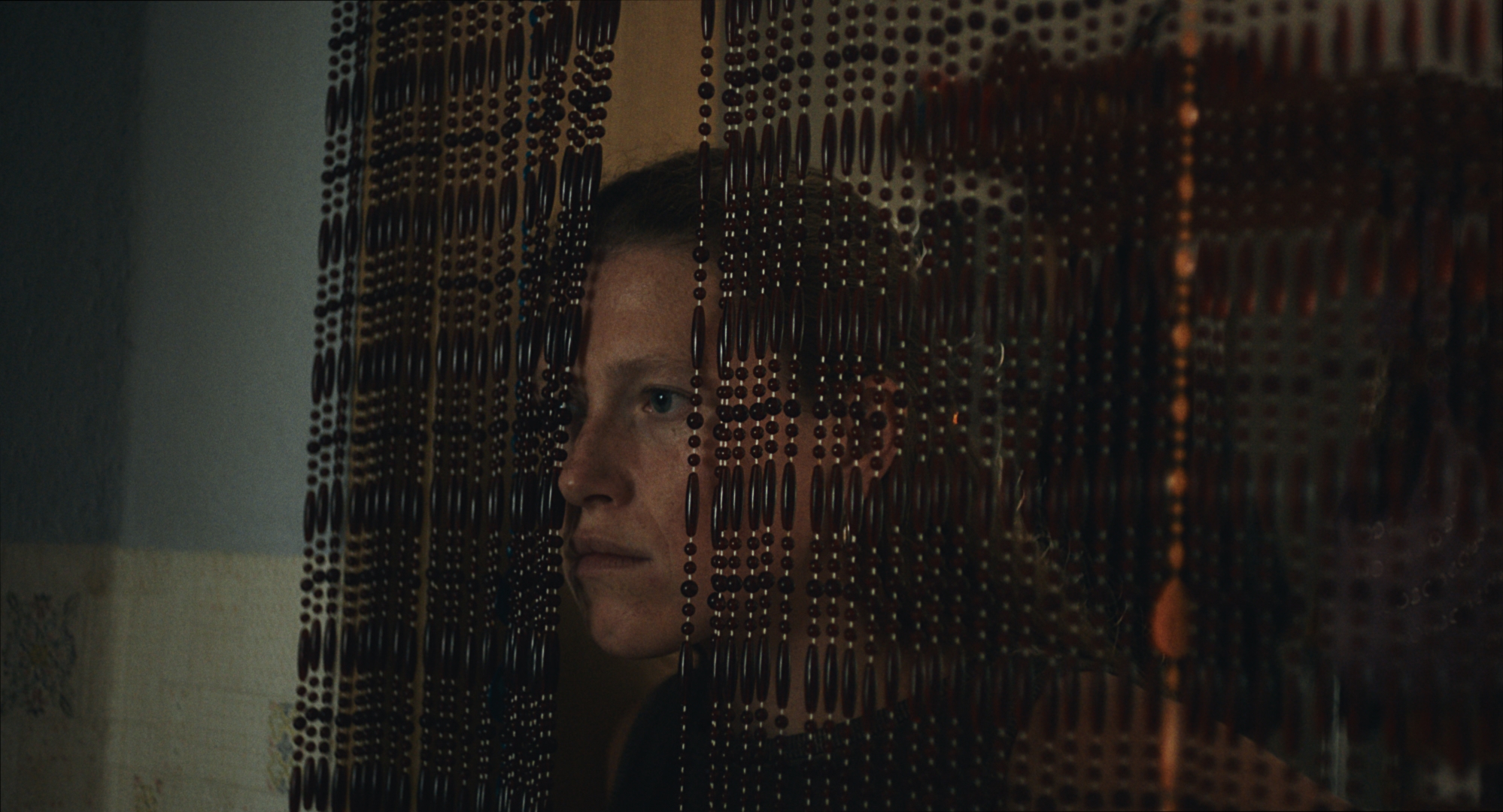
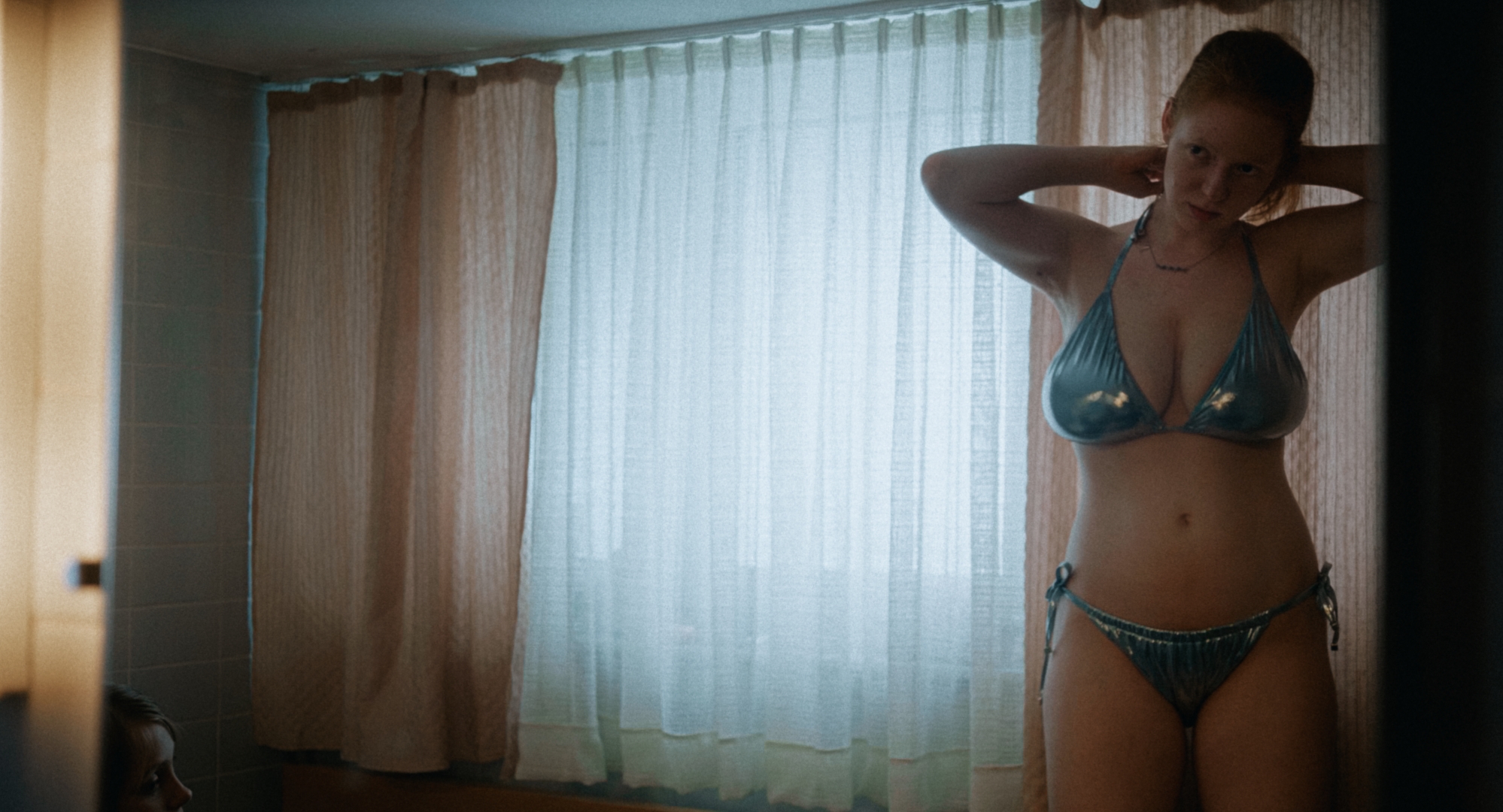
Having fled the Russian regime, Sascha (Varvara Shmykova) and her daughter Daria arrive in the South German countryside to stay with Sascha’s mother, Wlada. There, Wlada – who raises her younger daughter Nastya with affection and authoritarian control – offers Sascha the only solution: a sham marriage. For the fiercely independent Sascha, it is unthinkable, and she sets out to find her own way. But as care turns into control and trust into betrayal, the closeness of family begins to feel like a bad dream.