
Julia’s Flowers
original title: Las Flores de Julia
2026, color, 91 min., Spanish
COUNTRIES: Argentina, Chile
PRODUCTION : BUDGET : 750 000 euro
CAST
Mariana Genesio - Julia, Paulina García - Nélida, Betiana Blum - Betty, Francisco Nápoli - Migliaro, Luciano Castro - Martín, Rafael Spregelburd - Bruno
CREW
Director : Screenplay : Cris Tapia Marchiori, Bruno Tignanelli, Clara AmbrosoniCinematographer : Carla Lucarella
Producers : Pablo Udenio
COMMENTS
FESTIVALS: Huelva Ibero-American FF 2026 (World Premiere)
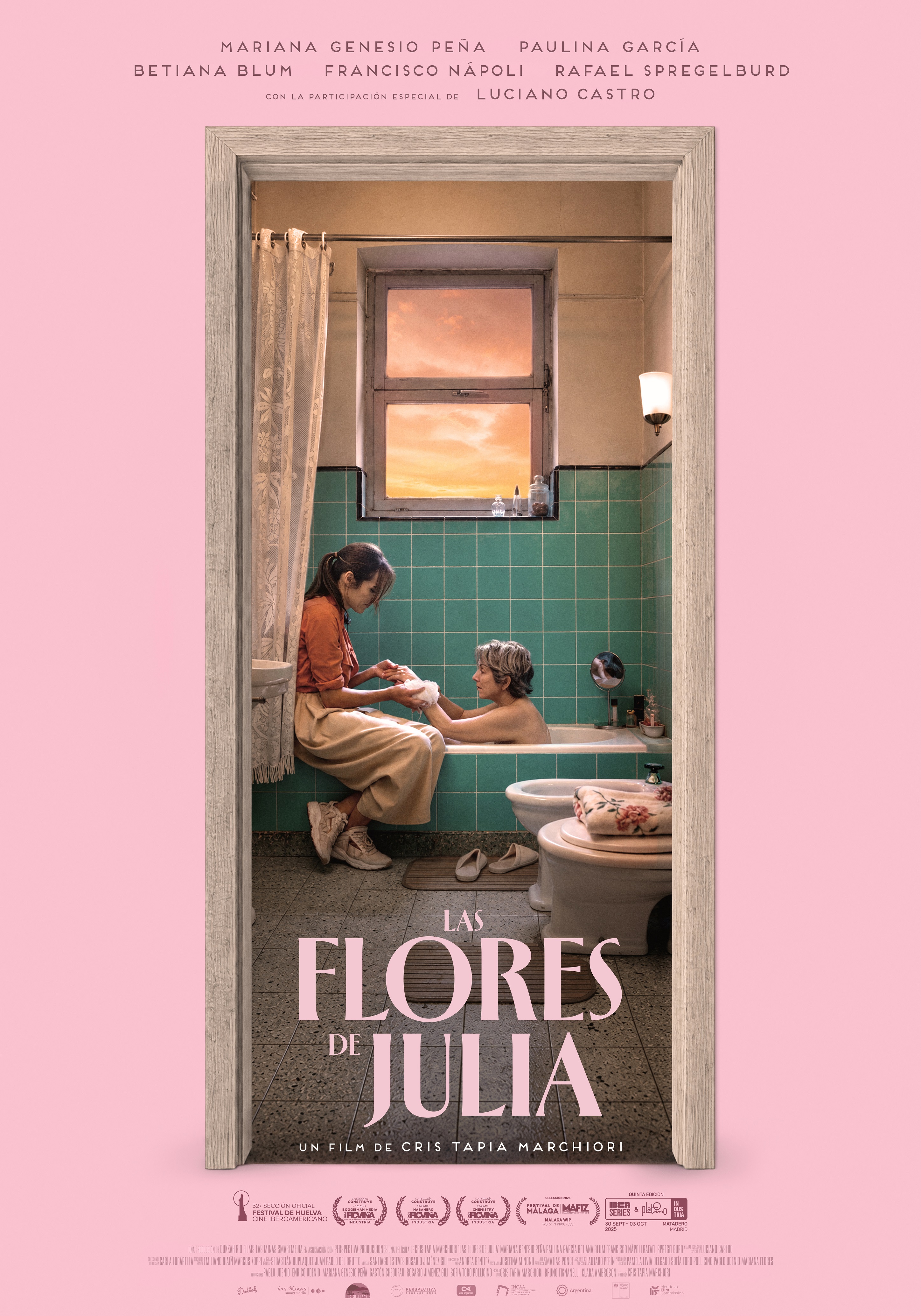
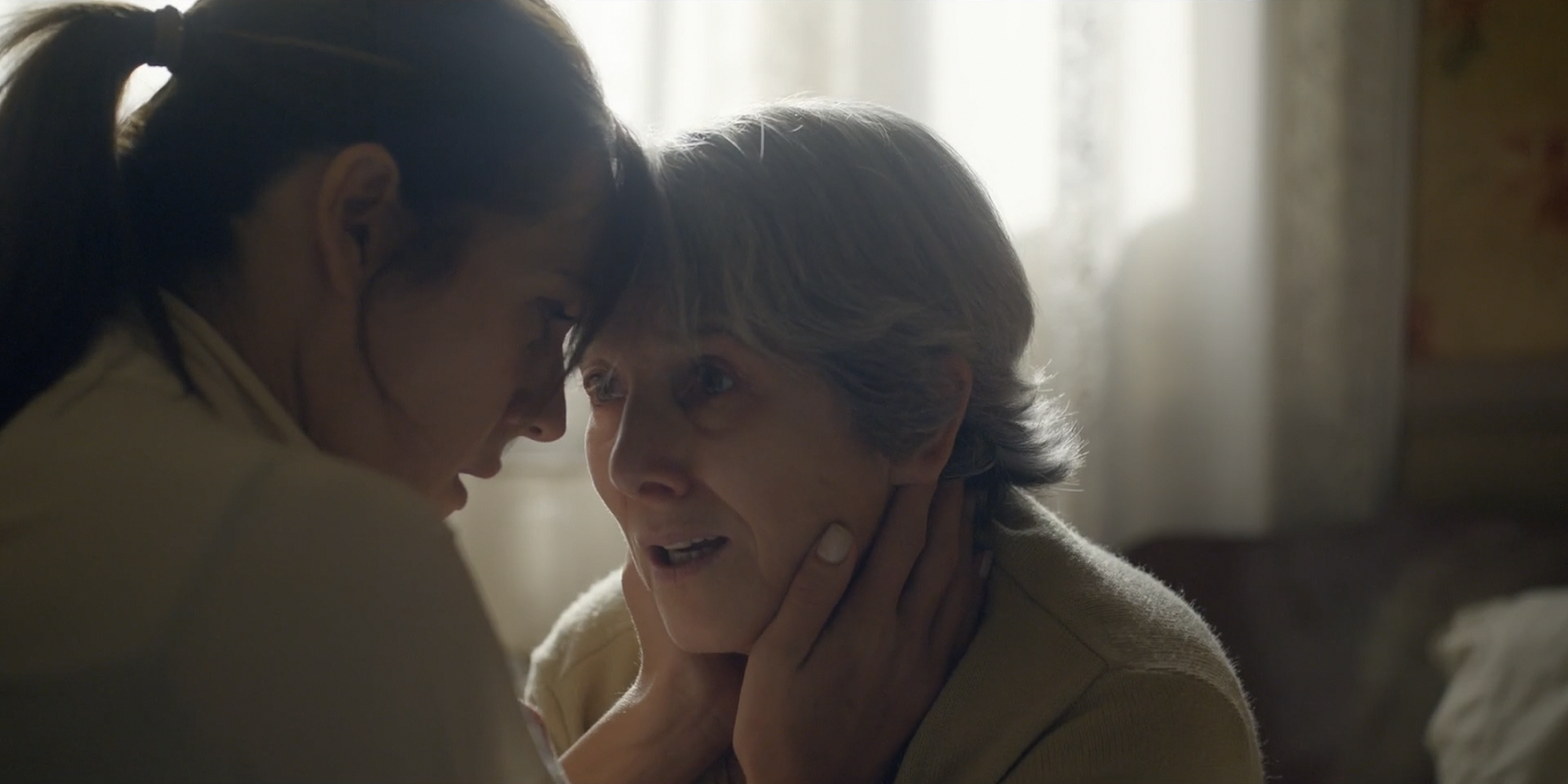
DIRECTOR’S STATEMENT: Our main characters are two women who have faced or are facing identity crises, have suffered gender violence, and have lived together, but now no longer recognize each other. An accident and the imminent death of one of them will give them the opportunity to reconnect and rebuild the mother-daughter bond that was once lost due to a lack of understanding and family prejudice towards Álvaro’s desire to become Julia. In this cultural context, filled with conservative traditions, Álvaro decided to leave his family to become what he wanted to be: Julia. Today, as the woman she has become, she now has the chance—due to an accident—to forgive and reunite with her family, or what’s left of it.
Respect for different wills, forgiveness, prejudice, old age, friendship, love, fear, and acceptance are concepts that all the characters in this universe (and the viewers) will attempt to discover, build, and redefine, each in their own way and from their own perspective.
Julia, our protagonist, is a composition of emotional fragments (and real experiences) from various women we’ve met throughout our lives and during this writing process. Leaving her hometown to become who she truly wants to be, enduring her parents’ mistreatment, facing discrimination when looking for work, total devaluation, and enduring social stigma are some of the scars that, unfortunately, have wounded and continue to wound many transgender individuals. Driven by the respect that this topic inspires in us, and with the intention of beginning to think about other possible realities, we followed the advice of several transgender women with whom we spoke before making the film and sought to tell these truths in a story that speaks primarily about love and forgiveness.

SYNOPSIS
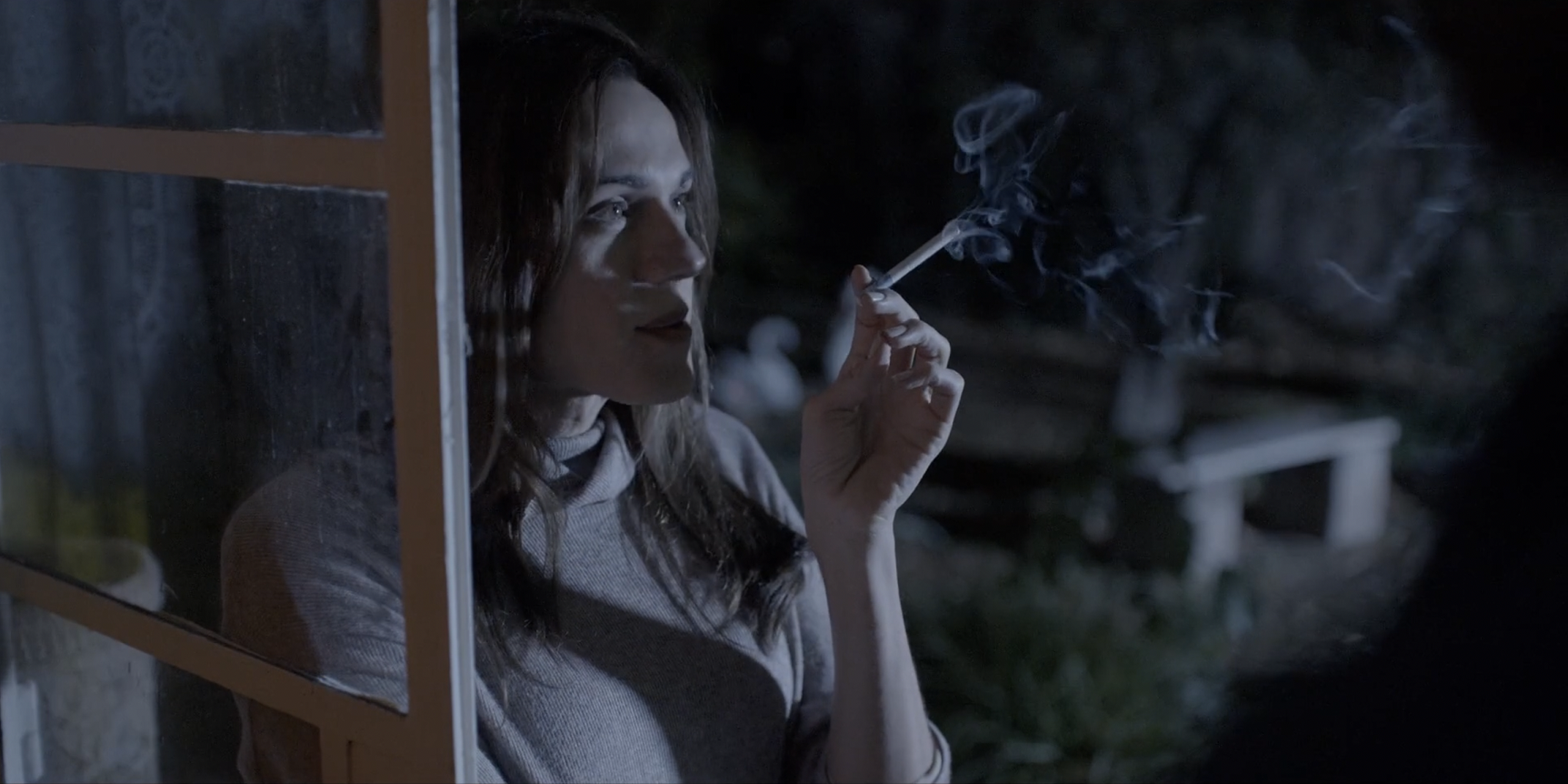
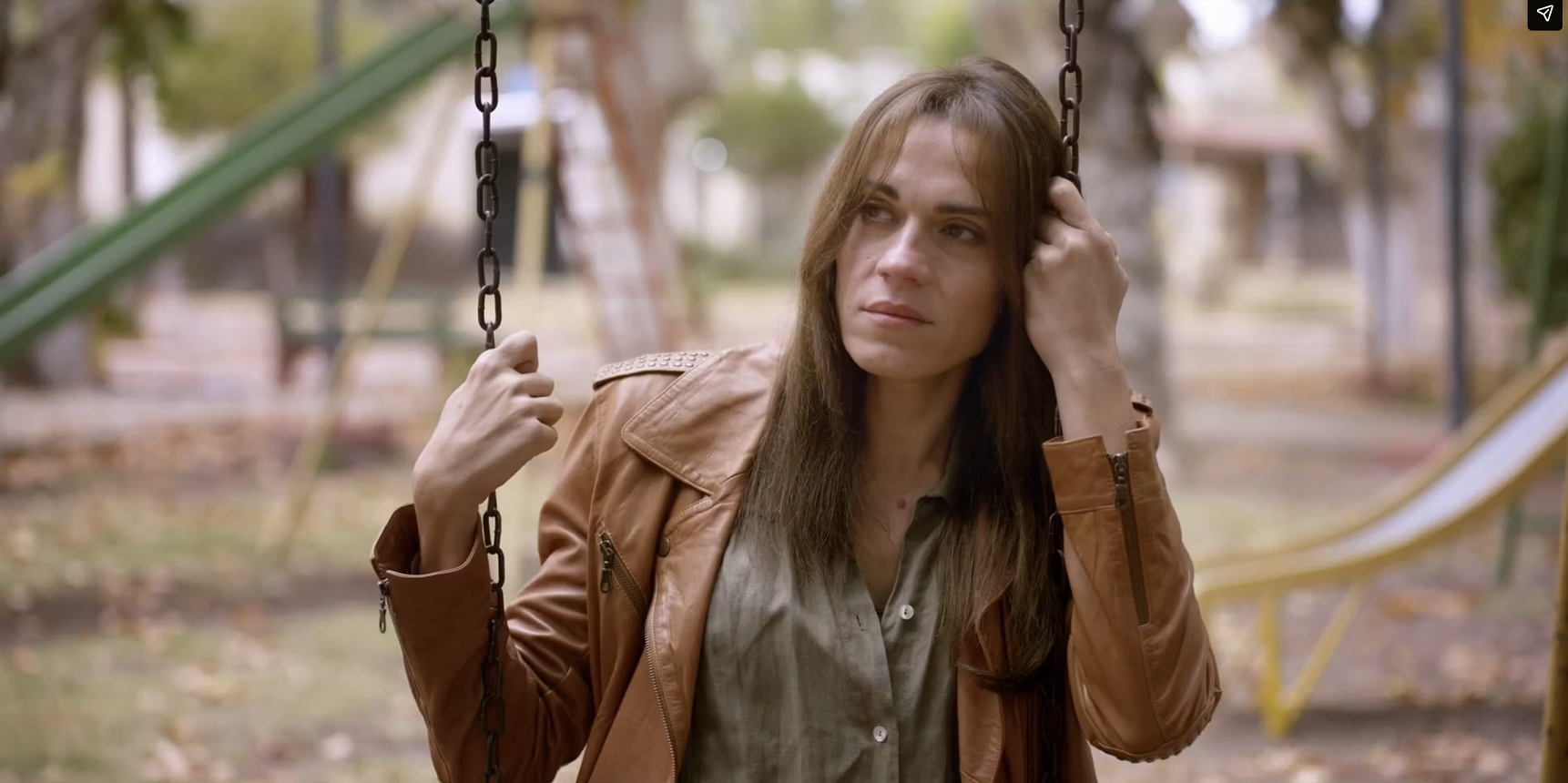
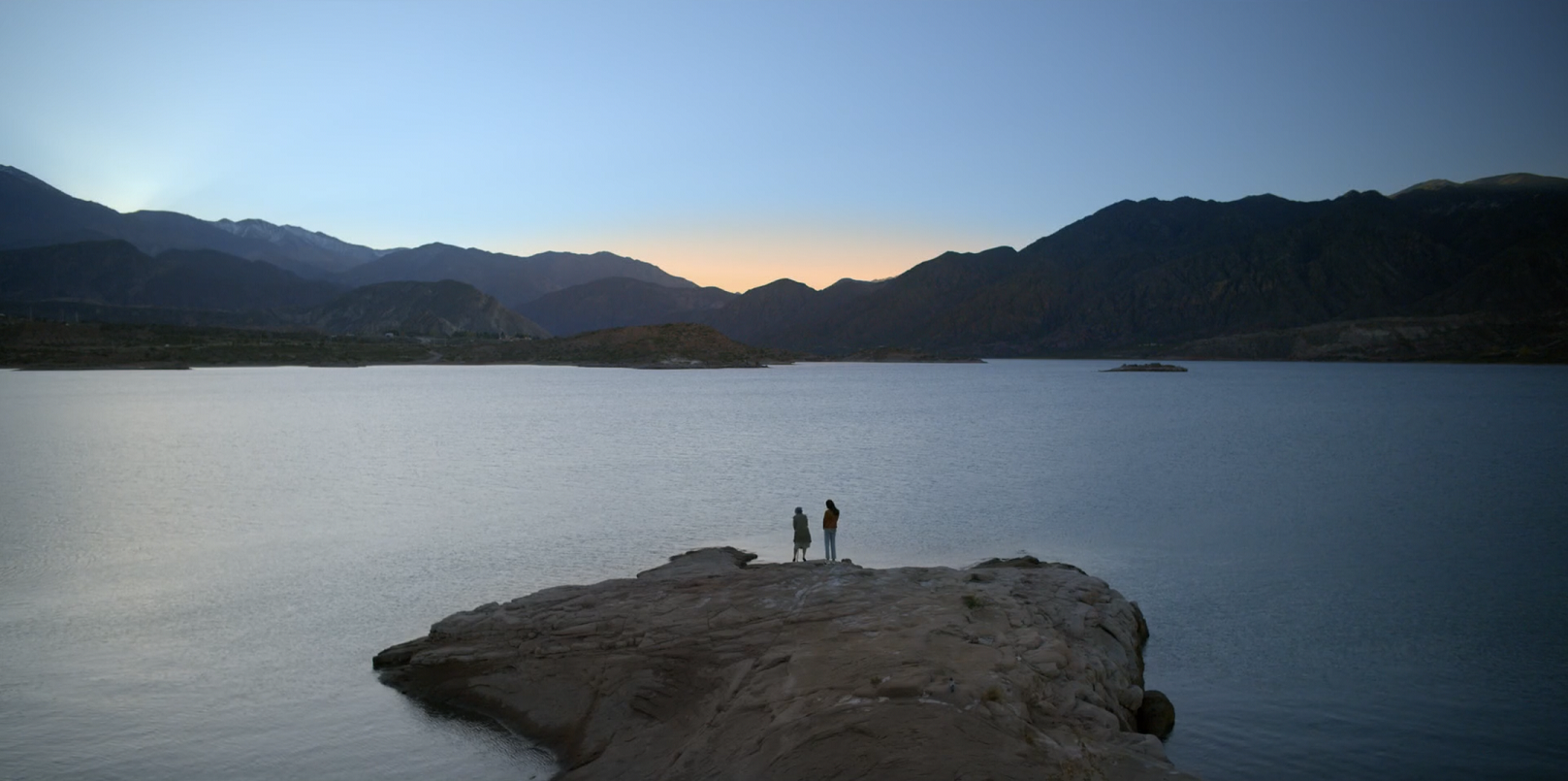
Julia returns to the hometown she once fled—when she was still Álvaro—after her brother’s death. Her mother, gravely ill, no longer recognizes her and refuses a life-saving operation. Forced into an uneasy proximity, a fragile bond begins to take shape, as Julia confronts identity, memory, and the limits of love.