
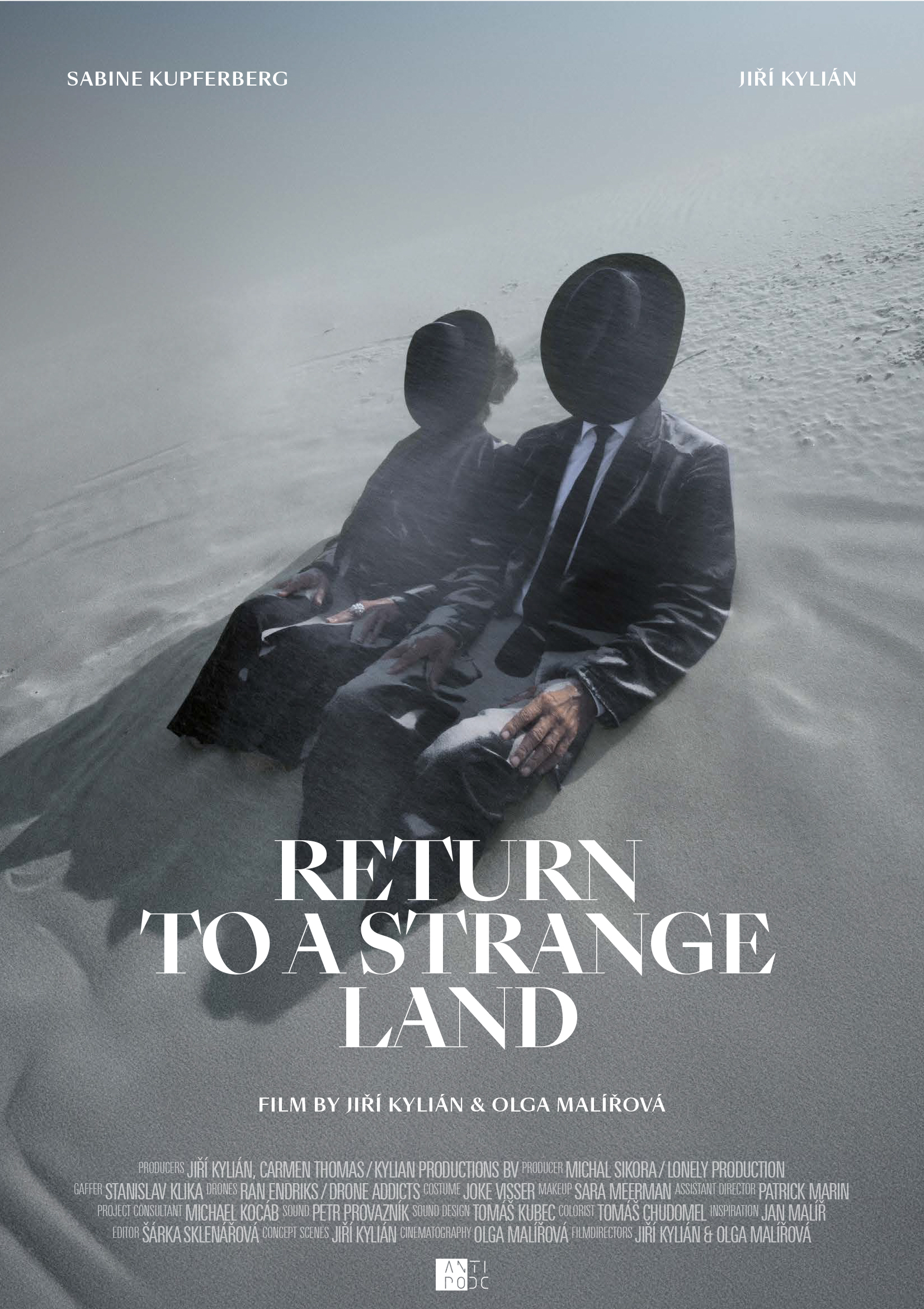
Return to a Strange Land
original title: Navrat do nezname zeme
2026, 72 min., color, Czech-English-German
COUNTRIES: Czech Republic, Netherlands
PRODUCTION : BUDGET : 606 234 euro
FESTIVALS & AWARDS
CAST
Jiří Kylián, Sabine Kupferberg
CREW
Director s : Screenplay : Olga Malířová ŠpátováCinematographer : Olga Malířová Špátová
Producers : Jiří Kylián, Carmen Thomas, Michal Sikora, Viktor Tauš
COMMENTS
FESTIVALS: Ji.hlava Documentary FF (Opening Film / European Premiere / Opus Bonum, Czech Joy), Jerusalem FF (nominee The Chantal Akerman Prize for experimental documentary), Doc Edge 2026 (World Premiere)
DIRECTOR’S NOTES:
In 2016, I met choreographer Jiří Kylián in the Italian city of Ancona while working on the short dance film Scalamare. Jiří directed the film and created the choreography, while my husband, Jan Malíř, and I worked on the cinematography. Since then, we have maintained a friendly connection, and the idea slowly emerged to capture his vital message in a feature film.
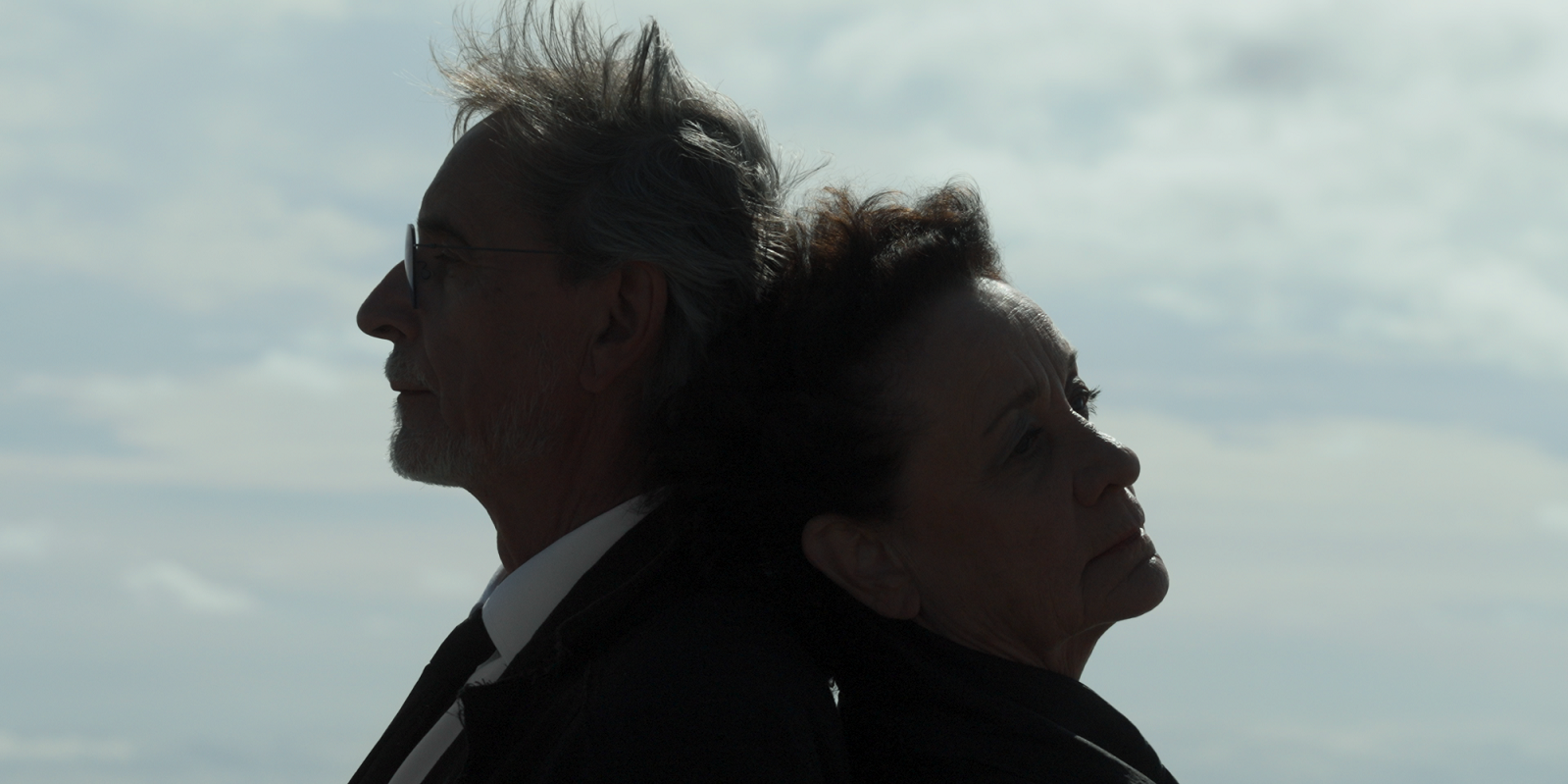
The lifelong bond between Jiří and his wife Sabine Kupferberg is the main theme of the film for me. Jiří himself says that he was not a good enough dancer to realize his ballet dreams, so he became a choreographer. His wife Sabine has been by his side for fifty years. She is his ‘speaker’. Through her dance, she can express his views on the world. She fulfills his dreams with reverence and grace.
Jiří Kylián, together with the exceptional dancer Sabine, give wings to their creations. They aim to lighten the burdens of life. Jiří himself says that the theater is like a ship where people board as passengers. They will never be the same as when they arrived. They have moved forward. This is not a classic film portrait. The film will be conceived as a film essay.
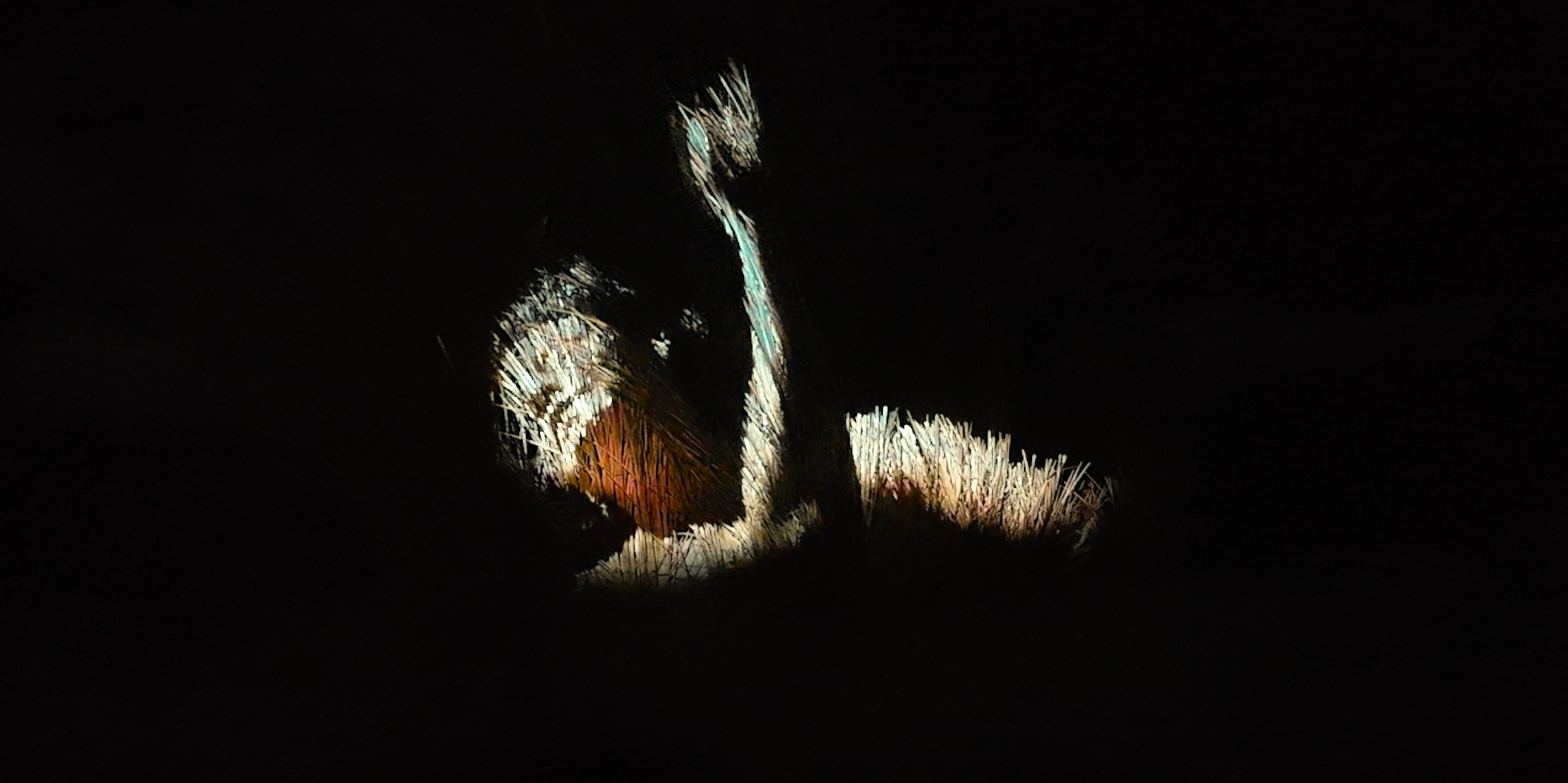
The main expressive medium is the camera. It will mirror the poetry and dynamism of the dance. The filmed scenes strive to capture moments both sincere and authentic, as well as stylized and absurd.
Another equally important expressive medium is music, both classical and composed. One of the pieces is Beethoven’s last string quartet. The acoustic atmosphere of the setting will also express Jiří and Sabine’s views on the world.
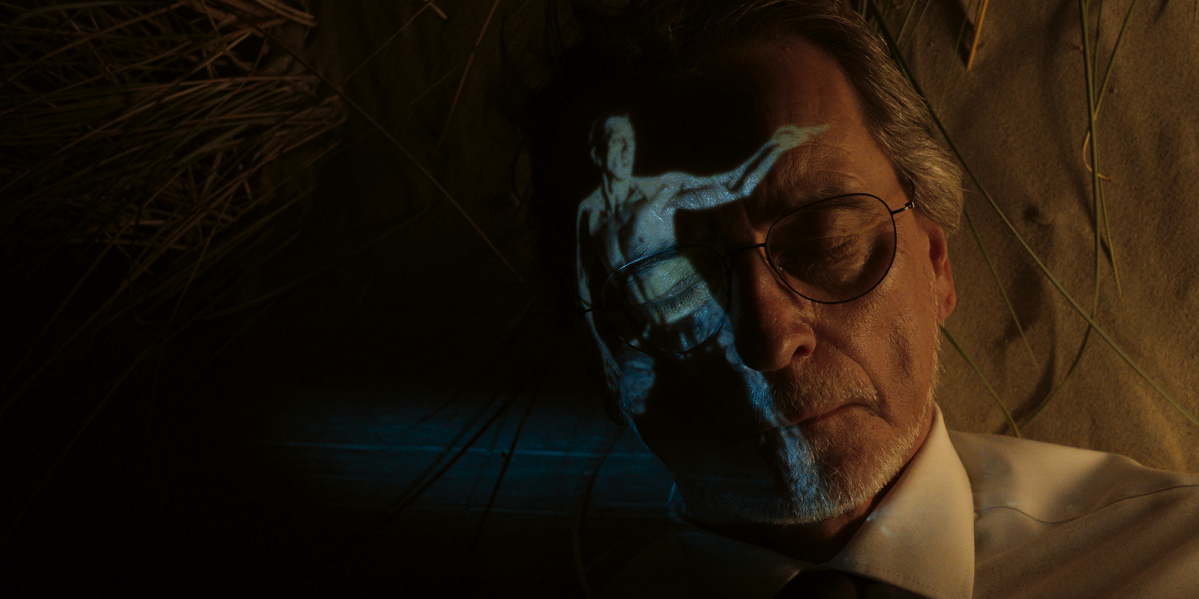
Archives of famous ballets, in which Sabine Kupferberg often danced over the past fifty years, will be used creatively, not merely as a showcase.
A significant element of our film will be humor, which runs through the work of Jiří Kylián and Sabine Kupferberg. But there will also be moments of genuine and poignant emotion. Creation, love, and reflections on the meaning of our actions.

SYNOPSIS
In this nostalgic and yet dramatic work, choreographer Jiří Kylián addresses a multitude of themes concerning our very existence as well as the passing of time and our final moments. But mainly it is concerned with the colorful madness of life. His feeling for tragicomic situations is ever present. The working title of this film was “Sehnsucht”. It is a beautiful German word meaning “Longing to be addicted”.
Jiří created many choreographies for his lifelong partner and performer Sabine Kupferberg. The film centers on the creation of his “final work”, and for the first time in his life, he appears alongside Sabine in this film as a protagonist.
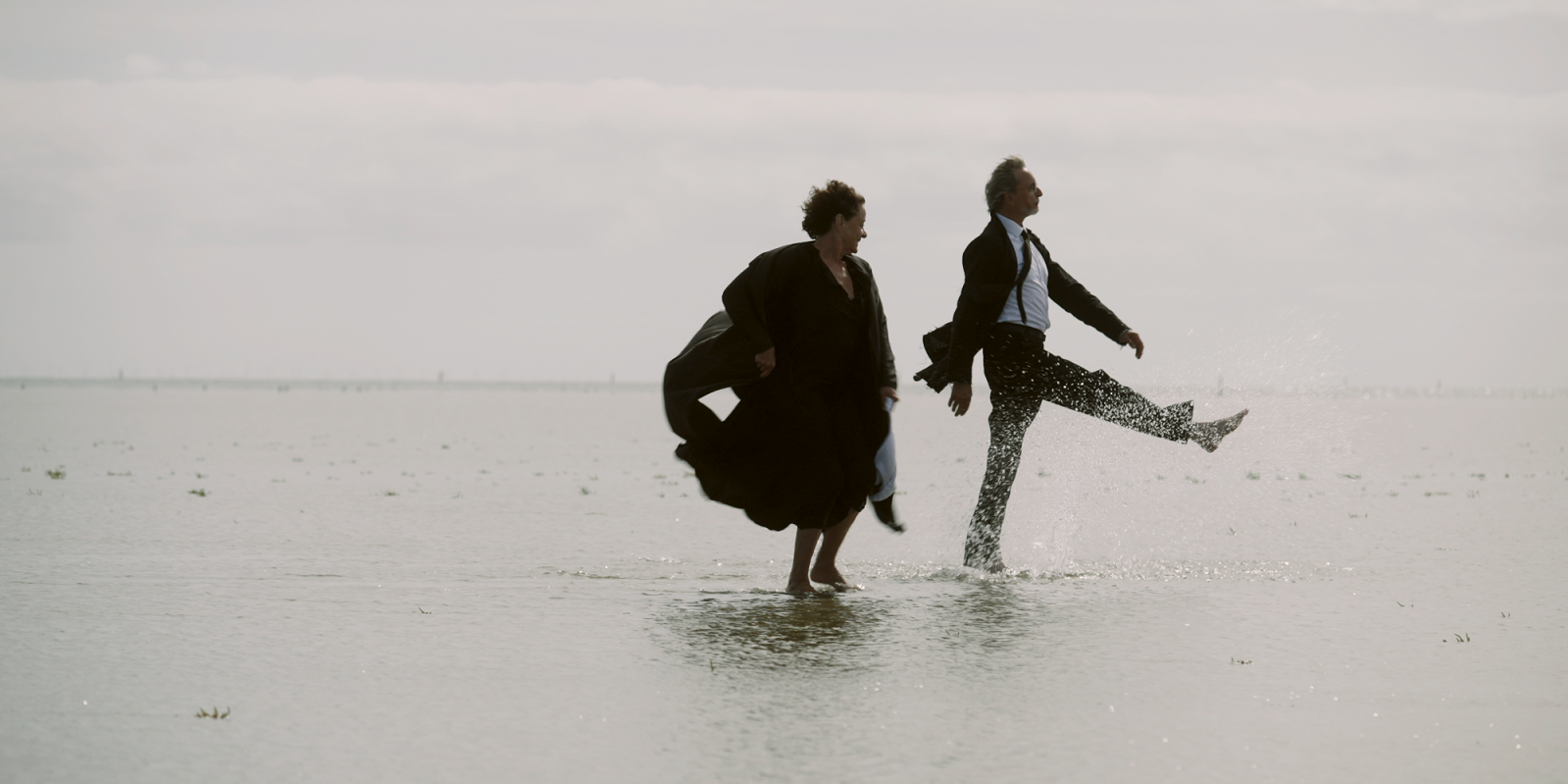
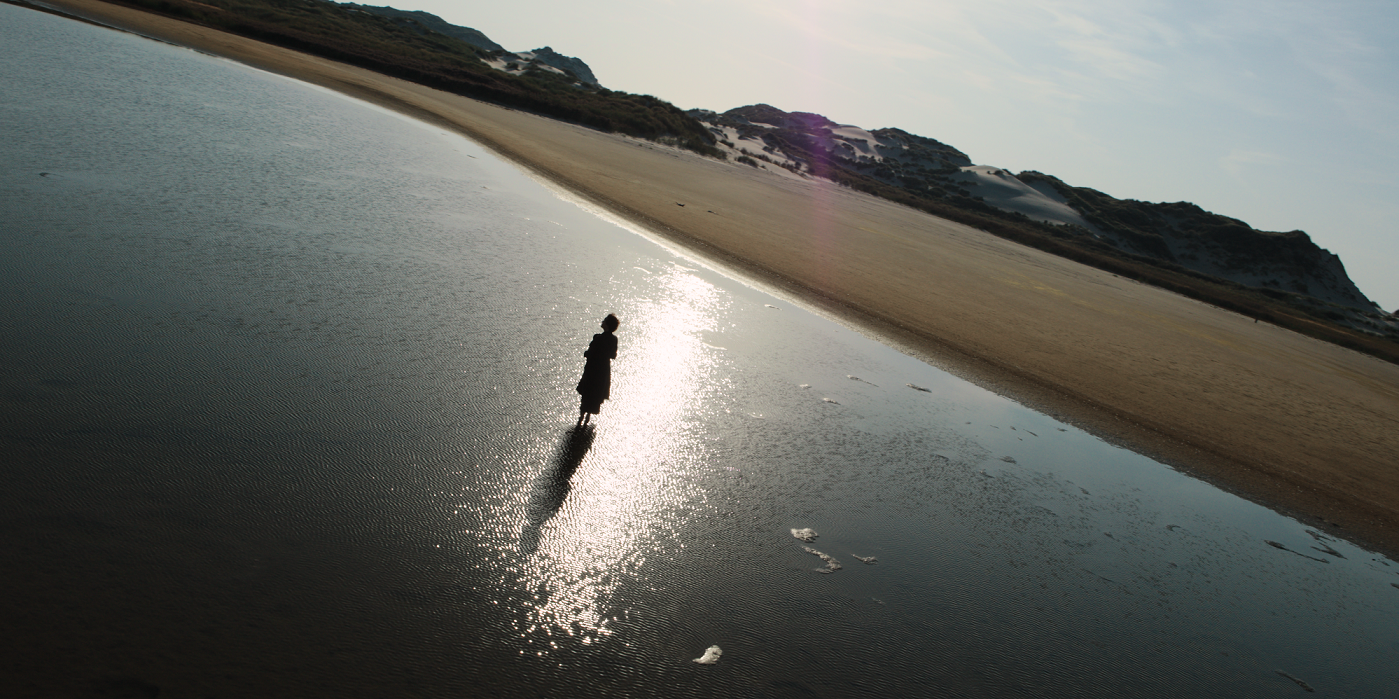
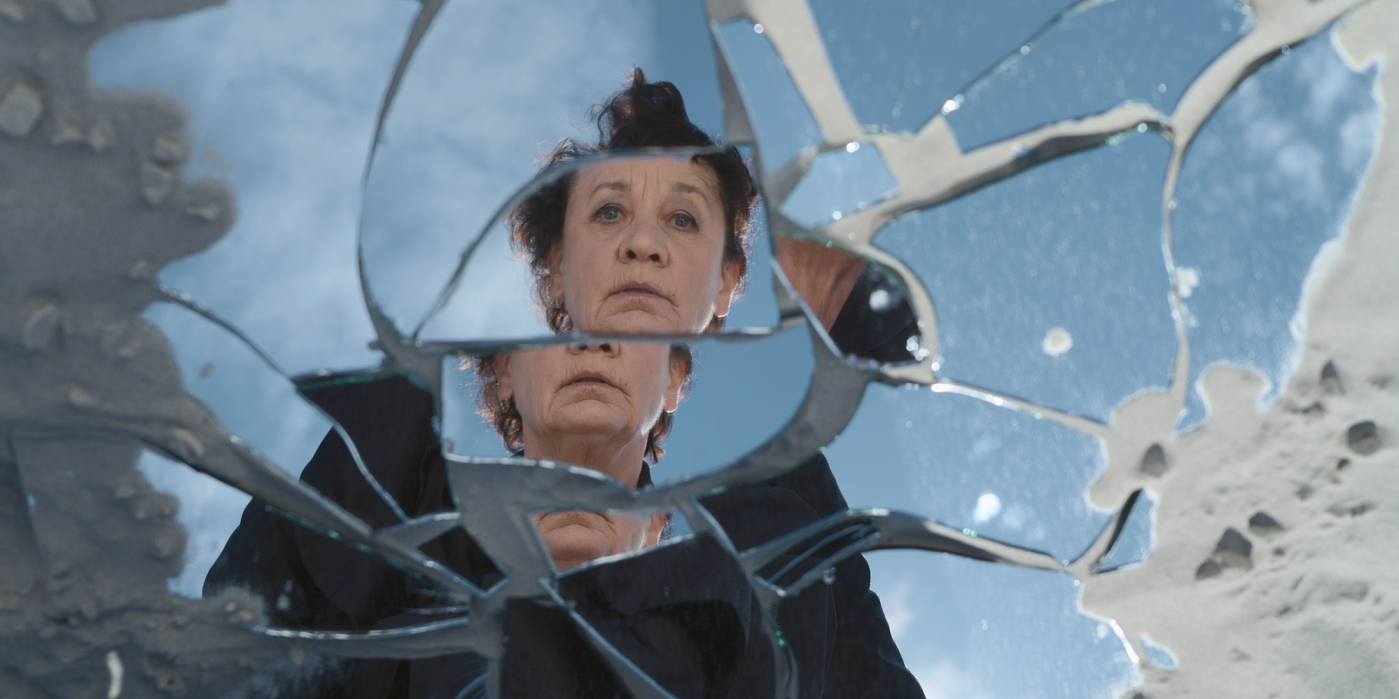
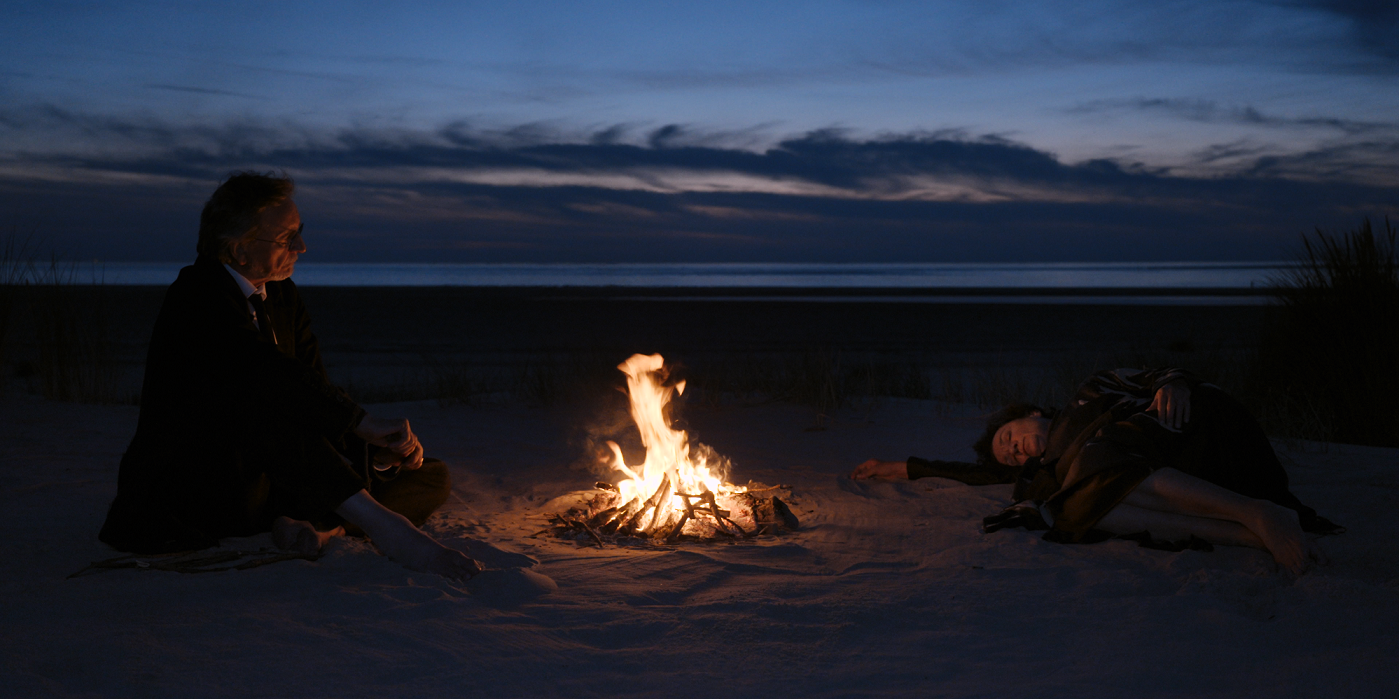
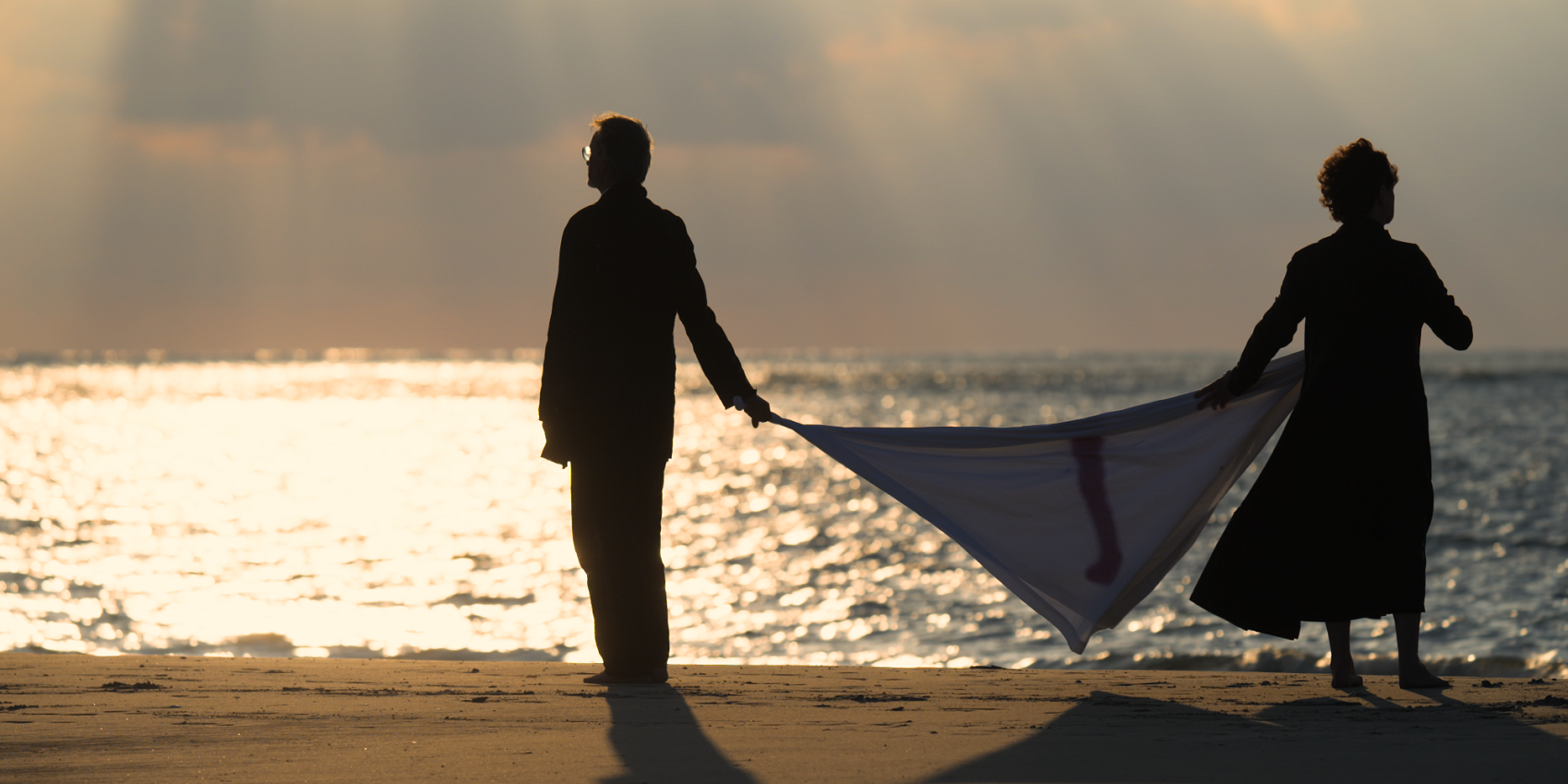
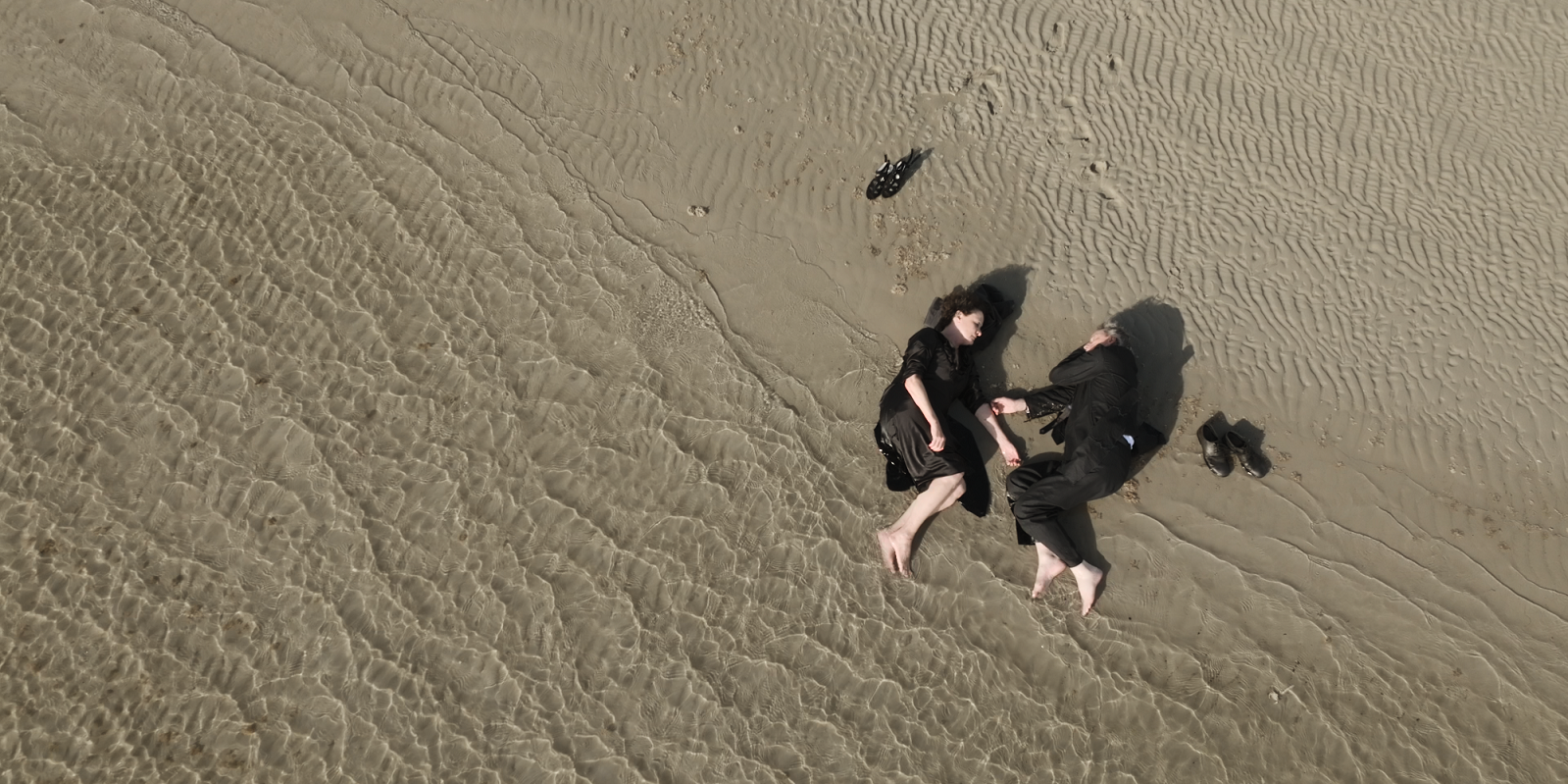
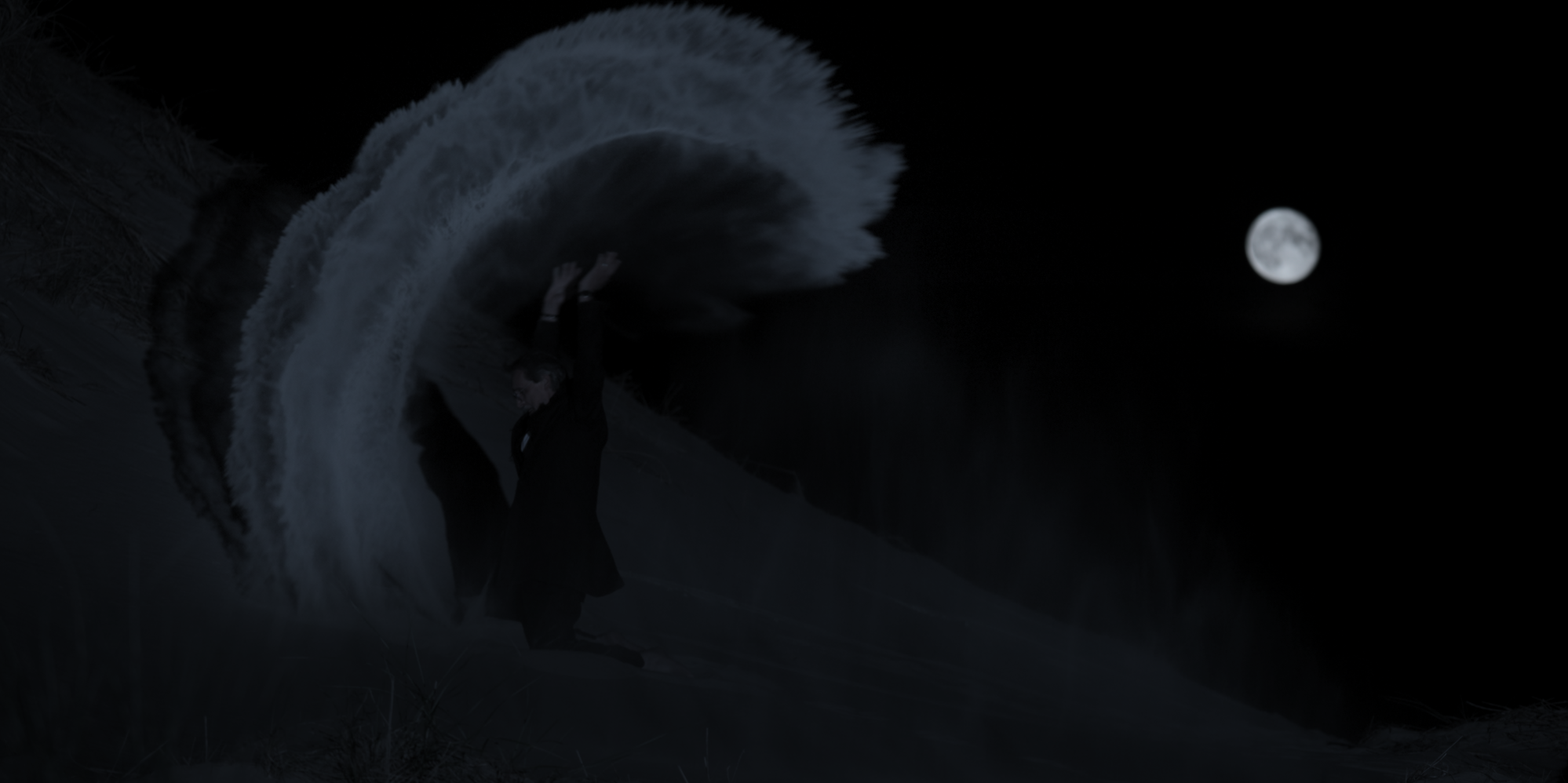
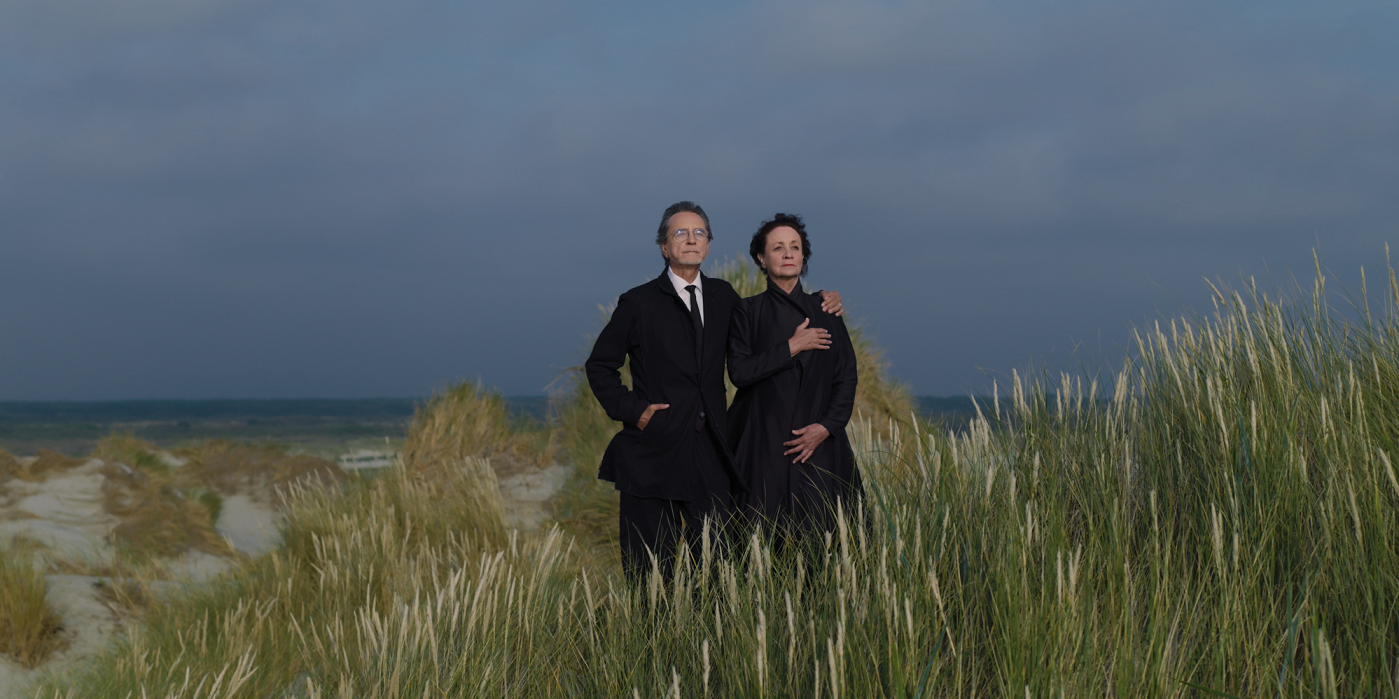
It is shot on the island of Terschelling, off the coast of the Netherlands, the country to which Sabine and Jiří moved in 1975. The landscape of this island is extraordinarily magical and symbolic. In many scenes of the film, we will observe how the landscape changes in the unique light which is so very typical for this island, reflecting the fleeting nature of existence, the boundary between life and death.
All artistic creations produced by Jiří and Sabine since 1971 are witnesses of their lifelong personal relationship. They will always try to uncover something often hidden in the deep corners of our souls, something immensely valuable and ephemeral – something we need to be aware of….
PRESS
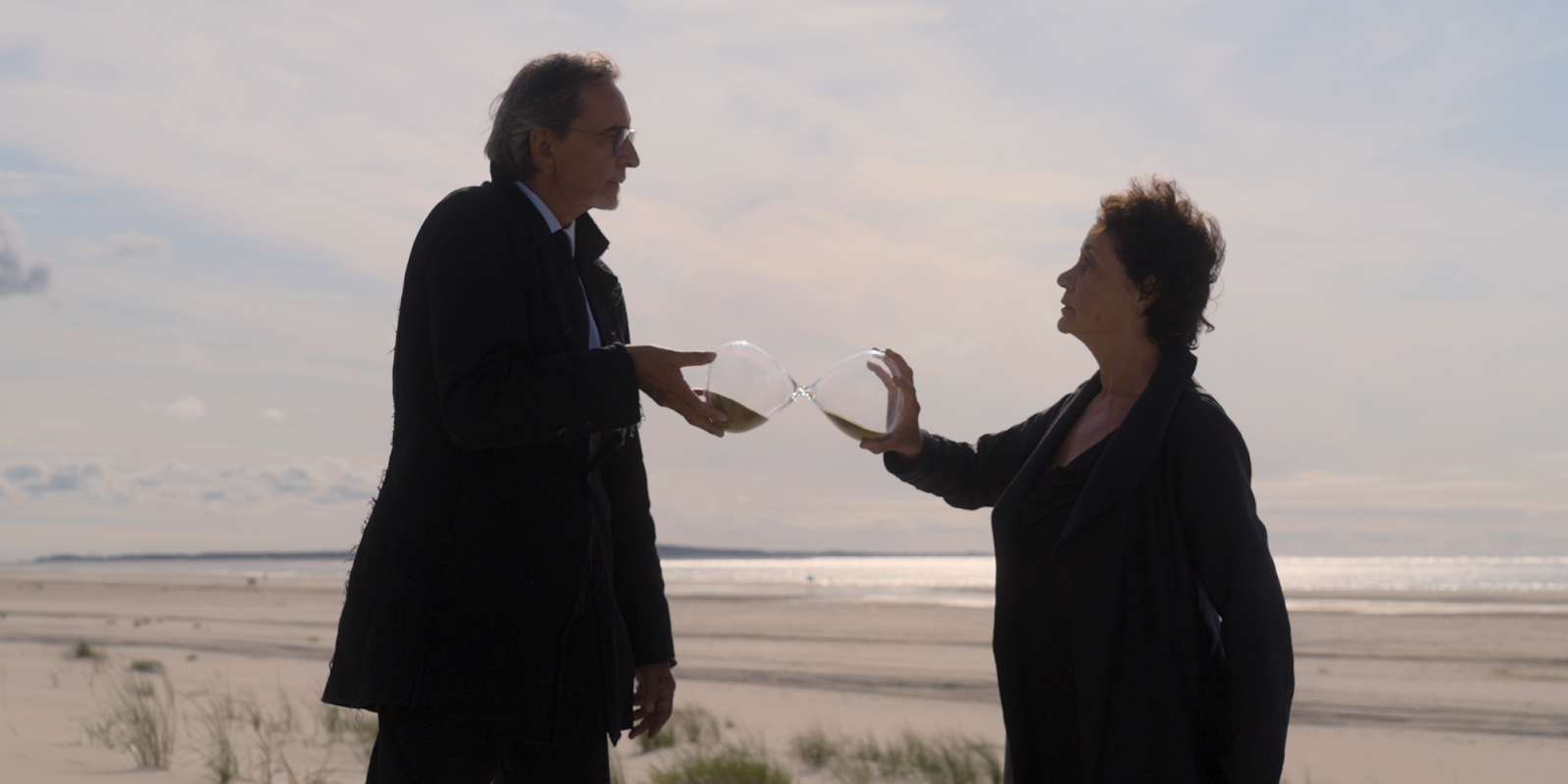
The resonance of imagery in the film’s setting is extraordinary—the sands of time, an ocean of love, a game of chess at a picnic on the beach, a choreographer with a megaphone and a dancer whose stiletto heels keep subsiding into the sand, a wild couple frantically exchanging coats, who wear hats but cannot always keep their hats on, who stride towards each other from afar but miss the meeting, who struggle to climb a sandhill but can only slide backwards down the slope, who grow older but remember their past all the more clearly for that, who share their personal stories of exile and immigration, of upbringing in an orphanage, in an essay of time and tide, set against murmurations of seabirds—gliding gulls and migrating godwits. The scenography is as beautiful as any I’ve seen, or expect to see. – Jennifer Shennan, Michelle Potter…On Dancing
Jiří sám říká, že tanec je nejzranitelnější výrazový prostředek, protože vystavuje tělo jako umělecké dílo. Tanec nikdy nelže. Jiří se snaží najít jeho podstatu a jedinečnost. Jeho filosofií je nebát se překračovat hranice. Tancovat tady a teď. Více než padesát let přitom žije a tvoří s tanečnicí a herečkou Sabine Kupferberg. Tvorba je smyslem jejich života.| Jiří himself says that dance is the most vulnerable means of expression because it exposes the body as a work of art. Dance never lies. Jiří tries to find its essence and uniqueness. His philosophy is not to be afraid of crossing boundaries. To dance here and now. For more than fifty years, he has been living and creating with dancer and actress Sabine Kupferberg. Creation is the meaning of their lives. – Doc.Revue, Olga Malířová
Return to the Strange Land is contemplative, visually stunning, and emotionally resonant. It is a film that asks you to slow down, to breathe, to watch closely. It is a meditation on love, on loss, on the strange and beautiful journey of being human. And like the best works of art, it stays with you long after the final frame fades. – Alex Moulton, Blackguard Media Reviews
A gorgeous treatise on life, love, dance and creativity
Return to the Strange Land delicately shows how creativity and dance, like music and song, along with being one with nature and the universe are the essence of life and being human. But the film goes deeper than this, exploring humanness within the universe – life at its most full. – Tania Kopytko, Theatreview